What is a Coffee Cherry? Is it coffee or a cherry?
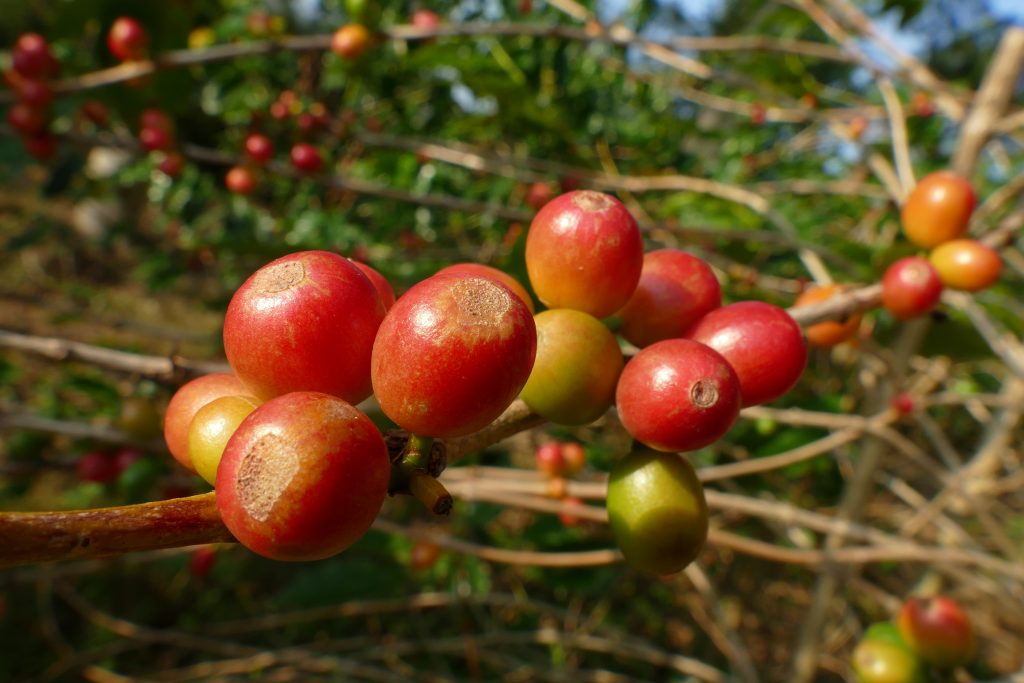
The coffee cherry is the fruit of the coffee plant, named for its red or yellow color and cherry-like appearance when ripe; it is also called the coffee berry. It is the "original form" of the coffee bean, undergoing a complex growth process from flowering to fruiting.
The coffee cherry is the fruit of the coffee plant, named for its red or yellow color and cherry-like appearance when ripe; it is also called the coffee berry. It is the "original form" of the coffee bean, undergoing a complex growth process from flowering to fruiting.
#Structure of the Coffee Cherry
From the outside in, the coffee cherry consists of the following layers:
- Exocarp (Outer Skin): A thin, smooth skin, green when unripe, turning red, yellow, or orange (depending on variety) when ripe.
- Pulp / Mesocarp (Fruit Flesh): A sticky, sweet layer containing sugars and moisture; edible when ripe (tasting similar to grapes or lychee).
- Parchment / Endocarp (Inner Skin): A parchment-like hard shell enclosing the bean, usually removed during processing.
- Silver Skin (Testa): A thin membrane clinging to the bean; it flakes off as chaff during roasting.
- Coffee Bean (Seed): The seed inside the fruit; each cherry typically contains 2 beans (flat beans), occasionally 1 bean (peaberry).
#Growth and Ripening Process
- Flowering: Coffee trees produce clusters of small white flowers with a jasmine-like fragrance.
- Fruit Set: After the flowers fall, small green fruits form and gradually swell; ripening takes 6–12 months (depending on variety and climate).
- Color Change:
- Arabica: Typically deep red when ripe.
- Robusta: Orange-red or yellow when ripe.
- Some variants (e.g., Yellow Bourbon) ripen to yellow.
The coffee cherry is the starting point of the coffee industry; its quality directly influences the flavor of the bean. From a bright red fruit to the coffee in your cup, it must pass through cultivation, harvesting, processing, roasting, and more.