
What's the difference between freeze-dried coffee powder, freshly ground coffee, and instant coffee?
In the world of coffee, different coffee products offer diverse choices to suit the needs and preferences of different people. For office workers, common options include freeze-dried coffee powder, freshly ground coffee powder, and instant coffee powder—each with its own characteristics and differences.
In the world of coffee, different coffee products offer diverse choices to suit the needs and preferences of different people. For office workers, common options include freeze-dried coffee powder, freshly ground coffee powder, and instant coffee powder—each with its own characteristics and differences.
#What is Freeze-Dried Coffee Powder?
It is made by flash-freezing fresh coffee liquid and then removing the moisture through sublimation under low-temperature conditions, resulting in dry coffee powder. Instant coffee, on the other hand, is a powder obtained by removing moisture from coffee liquid via spray drying or freeze drying. Compared to instant coffee, freeze-dried coffee has a richer taste and longer-lasting aroma. This is because the sublimation process better preserves the original flavors and nutrients of the coffee beans.
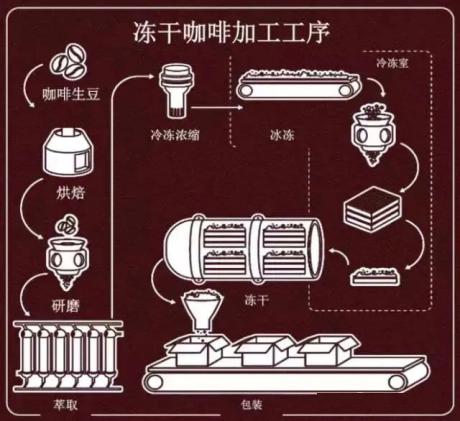
Freeze-dried coffee powder is produced by processing concentrated coffee liquid (from ground beans) with freeze-drying technology to remove moisture. This method better preserves the coffee's color, aroma, and taste, and it dissolves quickly with just the addition of water.
#Features:
- Easy to store and carry; convenient and quick to use.
- Compared to regular instant coffee powder, freeze-dried coffee powder excels at preserving the coffee's original flavor.
- Usually priced higher than instant coffee powder, suitable for consumers seeking speed without sacrificing quality.
#What is Freshly Ground Coffee Powder?
Freshly ground coffee powder is powder made from coffee beans, used for brewing coffee. The coarseness of the grind affects the extraction and mouthfeel of the brewed coffee, and is typically chosen based on the brewing method and personal preference.
Types of coffee powder:
- Light Roast: Retains the baseline original flavor of the coffee bean; highest acidity.
- Medium Roast: Relatively balanced acidity and bitterness; richer flavor profile.
- Dark Roast: Bitter, with caramel or chocolate aromas.
Brewing methods for coffee powder:
- Drip Coffee: Suitable for medium or light roast coffee powder.
- Espresso: Suitable for dark roast coffee powder, e.g., espresso-specific powder.
- Pour-Over Coffee: The grind size affects the result; generally recommended to use medium or light roast coffee powder.
Storing coffee powder:
- Avoid light exposure; opaque containers are recommended.
- Keep dry and away from moisture.
- Store sealed to prevent air exposure.
- Store at room temperature; avoid high or low temperatures.
Uses of coffee powder:
- Brewing coffee: Coffee powder is the primary ingredient for brewing coffee.
Clever uses for coffee grounds:
- Coffee grounds can be used as plant fertilizer, as well as for dehumidifying and deodorizing.
#Features:
- Retains all the original flavor and aroma of the coffee.
- Requires grinding and brewing, offering a ritualistic drinking experience.
- Grind size and brewing method can be adjusted to personal preference.
Why grind coffee? The purpose is to increase the surface area of the roasted beans to extract better flavors and aromas from the coffee.
Once coffee beans are ground into powder, the delicate floral and fruity aromas dissipate very quickly. For specialty beans with light to light-medium roasts, pre-grinding is not recommended. At these roast levels, once ground and exposed to air, the floral and fruity notes can fade significantly within about 30 minutes.
#What is Instant Coffee?
It is a coffee made by roasting and grinding coffee beans, extracting and concentrating them with hot water, and then drying them into a powder that dissolves instantly for drinking. Because instant coffee is produced by extracting active ingredients from roasted and ground coffee beans and then drying them, some aromatic compounds are lost during this process, resulting in a flavor and mouthfeel that are less rich and pure than freshly roasted and ground coffee; it often tastes bland and merely satisfies the basic need for caffeine. To compensate for this lack of flavor and mouthfeel, commercial instant coffees typically add flavorings.
#Features:
- Ultimate convenience; dissolves rapidly in water or milk.
- Relatively economical, suitable for daily quick consumption.
- May sacrifice some of the coffee's original flavor and aroma.