Guarding the Flavor of Yunnan Coffee: Yunnan Coffee Quality Continues to Improve
Recent foreign media articles have affirmed the continuous improvement in the quality of Yunnan coffee beans in recent years.
In 2016, China had 1.2 billion square meters of coffee planting area, with an annual output of approximately 140,000 metric tons that year, accounting for 1.5% of global production. For a long time, most Yunnan coffee beans have been known for their low price and average quality, and were exported globally through local Nestlé and Starbucks channels.
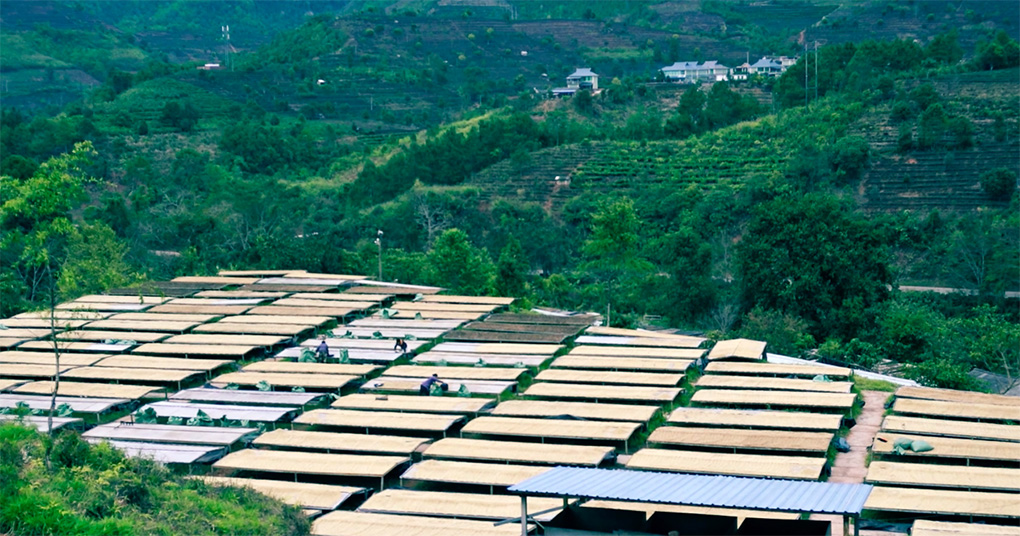
However, over the past few decades, some coffee estates in Yunnan have not only been able to produce higher-quality beans but have also become more sustainable. To explore this trend, we spoke with Joshua Jagelman, Tom Mitchell, and Paul Hoey.
#Recent Quality Improvements
Yunnan is China's largest coffee-producing region, with a total annual output of 138,000 metric tons (approximately 2.3 million bags), accounting for over 97% of the national total.
The history of coffee cultivation in Yunnan dates back to the late 19th century, when small-scale planting appeared sporadically. Throughout the 1960s, production began to grow, reaching a peak at that time in the 1980s. Since 2015, Yunnan's coffee production has grown at an average annual rate of 13.7%.
Nevertheless, Yunnan coffee has long faced sales challenges. Joshua Jagelman, co-founder and general manager of YUNNAN COFFEE TRADERS, said: "Early on, Yunnan coffee attempted to enter the market as a single origin, but it had to compete with varieties that possessed mature flavor profiles. Even when some micro-lots performed well, they naturally lost competitiveness once they couldn't be produced at scale."
Subsequently, traders began trying to expand the market by using Yunnan beans as components in blends, with respectable results. But today, locals are increasingly confident and are once again attempting to promote them as single-origin coffees.
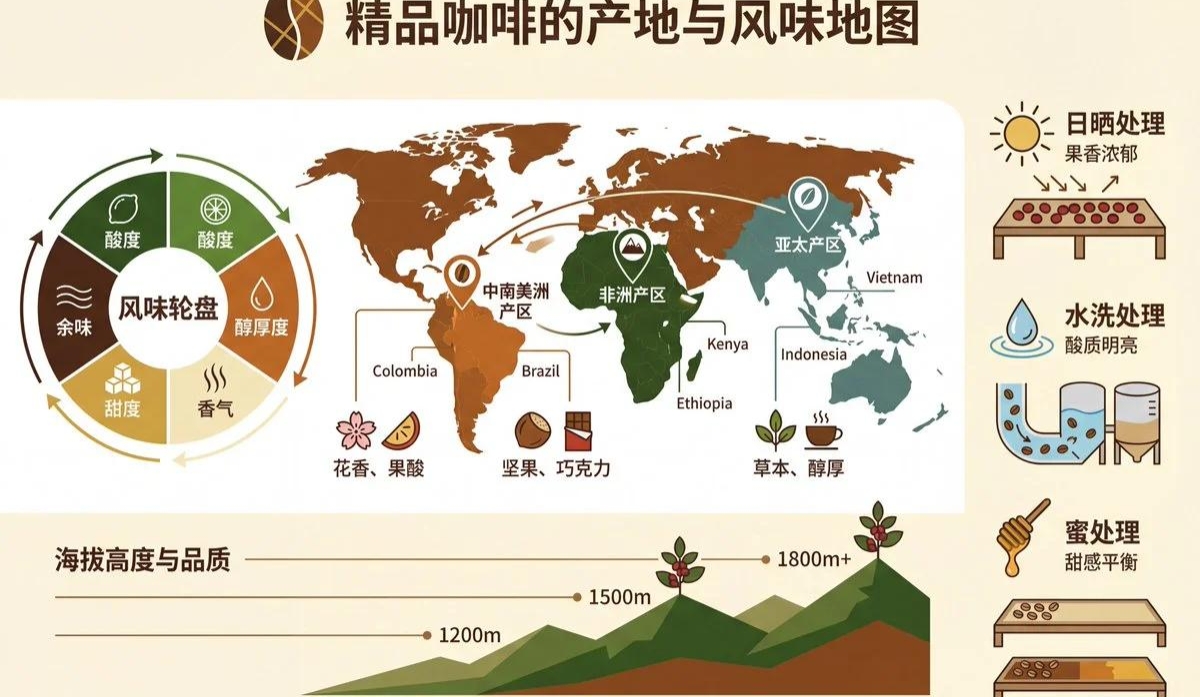
Joshua notes that Yunnan coffee beans now typically exhibit pronounced sweetness and a distinctive mouthfeel. With their tropical fruit flavor characteristics, they are particularly well-suited to washed processing. Thanks to improved quality and unique flavors, Yunnan coffee is performing better and better, and we are trying to promote it as a single-origin coffee rather than a blending component.
Yunnan coffee beans have improved not only in quality and quantity; today, even 85, 86, 87, and 88-point coffees can be produced in large volumes. However, although mass production is possible, we still need to deliver them as the same lot from the same harvest year.
#Catimor: Yunnan's Primary Coffee Variety
A hybrid of Caturra and Timor, Catimor inherits some genetic traits of Coffea canephora (Robusta), giving it stronger disease resistance.
Catimor is particularly well-suited to Yunnan's geography and climate, with relatively high yields averaging 3 to 5.25 metric tons per hectare annually.
However, Catimor often grows faster than other coffee varieties, which can lead to inferior flavor because the sugars in the coffee cherry do not have sufficient time to develop.
This has raised questions about Catimor's quality. But Tom Mitchell, President of Strategic Coffee Concepts, offered an explanation.
Tom Mitchell said: "Catimor grown in China is actually very good, because China's cool nights slow the growth of the coffee cherry. We have already seen some Catimor lots scoring 85 points."
Nevertheless, despite Catimor's success in China, Tom believes local farmers should transition to other varieties in the coming years, adding, "Because the economics of replanting must be considered, switching varieties will be a long process."
Joshua also noted that other varieties have succeeded in China. While Typica has struggled, both Bourbon and Pacamara have performed well on our experimental plots. We will see excellent performance from Bourbon in the coming years, and the first commercially grown Yunnan Bourbon has already reached the market.
#Moving Toward Natural Processing
Washed processing has long been the most common method for Yunnan coffee, but an increasing number of local farmers are experimenting with natural processing. Joshua says this is not easy: "We have years of experience with naturals, but as of this year we can still only produce 20 metric tons of natural-processed coffee — that's already our limit."
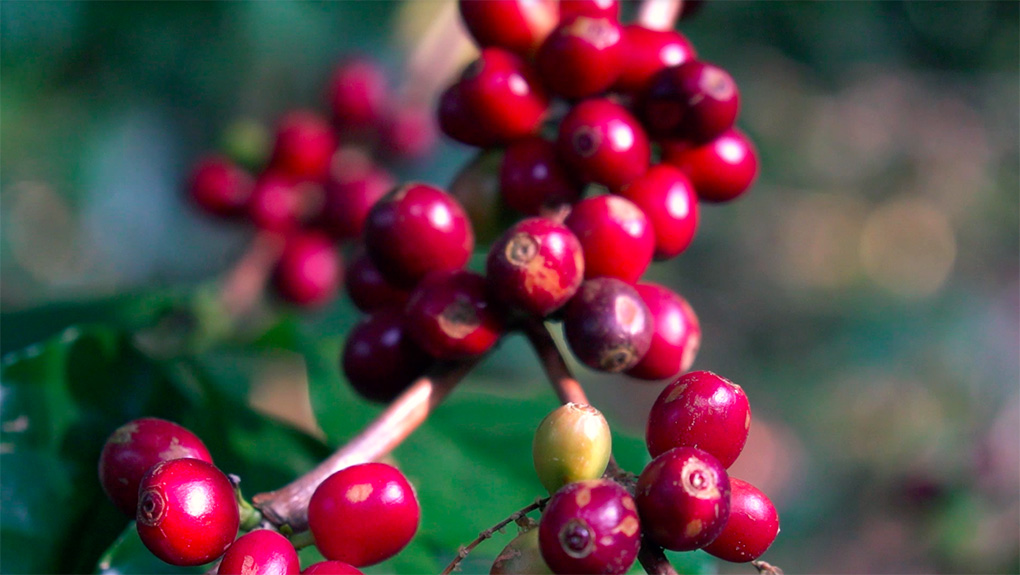
The market wants more Yunnan naturals, but production costs are high and maintaining consistency is difficult. Consumers are also unwilling to pay the prices farmers deserve.
Joshua points out that for Yunnan coffee producers, the choice of processing method largely depends on the estate's scale and existing processing facilities.
#Improving Sustainability
Even with recent quality improvements, Yunnan coffee production still faces many challenges. For young industry practitioners, a lack of infrastructure limits development across the board. Moreover, many farmers still rely on outdated or inefficient processing equipment, affecting quality. Finally, although washed processing is popular locally, Yunnan frequently faces drought.
Tom says most smallholders have scale issues. The majority of these estates cannot process their own coffee, which gave rise to the cooperative model. A cooperative serves 50 to 500 small estates. Cooperative leaders generally have at least 10 years of coffee experience, but they still lack sufficient expertise in processing, sales, and storage.
Joshua added that quality and sustainability are linked, and recognizing the need to improve both simultaneously is important. However, Yunnan's quality improvements have not yet addressed the issue of consistency.
#The "Yunnan Flavor": What Is the Yunnan Flavor?
Ginseng-like, woody, medicinal, earthy, bad spice notes — these are the impressions many coffee enthusiasts and professionals have of Yunnan.
In recent years, through multi-party efforts, Yunnan coffee quality has improved significantly. We are increasingly tasting cups of Yunnan coffee that don't taste so "Yunnan."
Behind this are the joint efforts of government, enterprises, coffee professionals, farmers, and even coffee lovers.
#Growing Specialty Market Interest in Yunnan Coffee
In recent years, interest from specialty roasters and consumers in Yunnan coffee has increased, with more and more Yunnan beans appearing on menus.
Paul Hoey, head roaster at Vagabond Coffee Roasters in North London, recounted how he began sourcing Yunnan coffee.
"A few years ago, we had the opportunity to sample Yunnan coffees through an importer called IndoChina, and it made a real impression! Since then, we've stayed in close contact and continued sourcing from them; we currently have two Chinese coffees on our shelves."
Joshua, for his part, says that growing Catimor to specialty standards allows its best characteristics to shine. He said: "Traditionally, Catimor is a commercial coffee. But we quickly realized it had never been given a specialty opportunity. When we treat Catimor like any specialty product, it performs well."
Yunnan Catimor has high acidity. Natural-processed Yunnan Catimor may exhibit notes of fudge, plum, and black tea, while washed Catimor produces distinct fruit flavors with clean acidity.
#The Future of Yunnan Coffee
More than half of Yunnan's coffee production is concentrated in the Pu'er region, which has the potential to grow much more coffee. Tom said: "There is still more land in that region, with huge potential to plant more coffee; future annual production could reach 1 million or even 1.5 million bags."
Paul added, "The unique nature of Yunnan coffee helps drive consumer interest and market appeal. Historically, this is an unusual origin, and I think that's attractive to some people. I've heard many consumers say they didn't know about Yunnan's coffee production capacity, and they find that interesting! Most importantly, the coffee is very good and improving rapidly."
What about the future of domestic consumption? Well, in just the past five years, the number of coffee shops in China has doubled. China's coffee consumption is growing rapidly. This trend is attributed to Chinese millennials, who are more influenced by Western culture than older generations.