
Bodum 34oz Brazil French Press Coffee Maker, High-Heat Borosilicate: In-Depth Review & Brewing Guide
TL;DR: The Bodum 34oz Brazil French Press features high‑heat borosilicate glass, offering durable heat resistance and a classic immersion brew that highlights the chocolate‑nutty notes of Brazilian beans, ideal for everyday home use.
#Bodum 34oz Brazil French Press Coffee Maker, High-Heat Borosilicate: Is It Worth Buying?
This French press holds 34 oz (about 1 L) and is made of high‑heat borosilicate glass that resists thermal shock. The plunger uses a double‑layer stainless‑steel filter to separate grounds from liquid cleanly. Its minimalist design includes a non‑slip silicone base and a comfortable handle, making it suitable for daily home brewing.
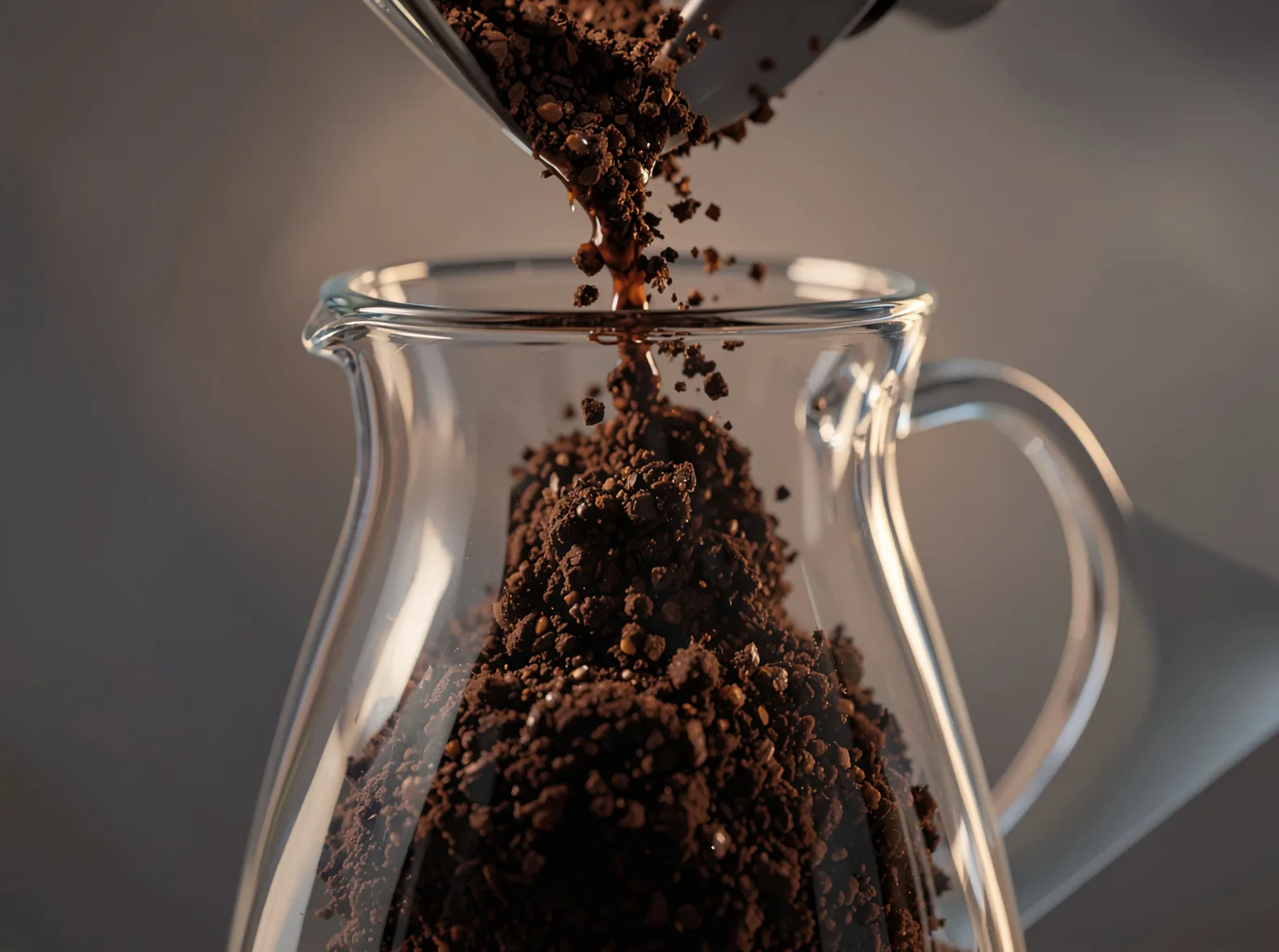
#What Is High‑Heat Borosilicate Glass and Why Does It Matter for a French Press?
High‑heat borosilicate glass contains boron trioxide, giving it a low coefficient of thermal expansion and strong resistance to rapid temperature changes. In a French press, near‑boiling water is poured into the carafe; if the glass cannot tolerate the shock, it may crack. This material therefore improves safety and extends the product’s lifespan.
#How to Use the Bodum 34oz Brazil French Press Correctly
- Grind the coffee: Use a medium‑coarse grind, slightly coarser than table salt, to avoid clogging the filter.
- Heat the water: Aim for 92–96 °C (198–205 °F); let boiled water sit for about 30 seconds if you don’t have a thermometer.
- Add the grounds: For a 34 oz carafe, use roughly 55–60 g of coffee (a 1:15 coffee‑to‑water ratio).
- Bloom: Pour in about twice the weight of water in hot water, stir gently to wet all grounds, and wait 30 seconds.
- Fill the carafe: Add the remaining hot water up to about 1 cm below the rim, place the lid with the plunger pulled up, and let steep for 4 minutes.
- Press: Slowly push the plunger down until it reaches the bottom, separating the brew from the grounds.
- Serve: Pour into a pre‑heated cup and add milk or sugar if desired.
#Flavor Profile of Brazilian Beans and Brewing Tips
Brazil is the world’s largest coffee producer; its beans typically exhibit nutty, chocolatey, and mild fruit sweetness with low acidity and a full body. Many Brazilian beans are natural‑ or pulped‑natural processed, which enhances their inherent sweetness. In a French press, a slightly higher coffee‑to‑water ratio (1:14 to 1:13) and a steep time of 4–5 minutes help draw out the chocolate‑nutty characteristics while minimizing bitterness from over‑extraction.
#Comparison with Other Capacities
| Model | Capacity | Carafe Material | Filter Type | Typical Use |
|---|---|---|---|---|
| Bodum 34oz Brazil | 34 oz (~1 L) | High‑heat borosilicate glass | Double‑layer stainless steel | Home sharing, richer flavor |
| Bodum 12oz Mini | 12 oz (~350 mL) | High‑heat borosilicate glass | Single‑layer stainless steel | Single‑serve, portable |
| Bodum 20oz Mid | 20 oz (~590 mL) | High‑heat borosilicate glass | Double‑layer stainless steel | Couples or office use |
The 34 oz version offers the largest volume, suitable for brewing multiple cups at once, while its borosilicate glass and double‑layer filter provide balanced heat retention and filtration.
#Maintenance and Cleaning Tips
- Daily rinse: After use, discard the grounds, rinse the carafe and plunger with warm water; a mild dish soap and soft sponge can be used, but avoid abrasive pads that could scratch the glass.
- Weekly deep clean: Disassemble the carafe, filter, and plunger; soak them in warm water with a tablespoon of baking soda for about 15 minutes, then scrub gently with a soft brush and rinse thoroughly.
- Avoid thermal shock: Do not pour boiling water into a carafe that has been stored in the freezer, and do not plunge a hot carafe into cold water.
- Storage: Allow all parts to air‑dry completely before reassembling; leave the lid slightly ajar to prevent moisture buildup and odors.
#Takeaway and Next Step
The Bodum 34oz Brazil French Press combines durable high‑heat borosilicate glass with a reliable stainless‑steel filter, delivering a straightforward immersion brew that highlights the chocolate‑nutty notes of Brazilian beans. If you want a no‑fuss method to make several cups at home and appreciate a richer mouthfeel, this model is a solid choice. As a next step, try brewing single‑origin beans from different regions—such as an Ethiopian Yirgacheffe or a Colombian Huila—to see how the French press expresses varied flavor notes.
#FAQ
#How does a French press differ from pour‑over methods?
A French press immerses the coffee grounds in hot water for a set time before pressing them through a metal filter, yielding a brew with more oils and a heavier body. Pour‑over drips water through a paper filter, generally producing a cleaner, brighter cup with less sediment.
#Is high‑heat borosilicate glass truly safer than regular glass?
Yes, because its low thermal expansion reduces the likelihood of cracking when exposed to rapid temperature changes, making it more resistant to thermal shock than ordinary soda‑lime glass.
#Can I use a fine grind in this French press?
A fine grind is not recommended; it can pass through the filter’s meshes, resulting in a gritty cup and making cleaning more difficult. A medium‑coarse grind works best.
#What can I do with the spent coffee grounds?
Spent grounds are rich in organic matter and can be used as garden fertilizer, a natural deodorizer, or as an ingredient in DIY coffee scrubs. Ensure they are fully dried before storage to avoid mold.
#How can I reduce bitterness in my French press coffee?
Lower the coffee‑to‑water ratio (e.g., 1:16 or higher), decrease the water temperature to around 90 °C, or shorten the steep time to 3–4 minutes. These adjustments help avoid over‑extraction, which is a common source of bitterness.

Comments