
Latte Mocha Cappuccino Calories Comparison: Calorie & Macro Breakdown of Three Classic Milk Coffees
TL;DR: In the hush of a morning third space, cappuccino guards the lightest line at 80–100 kcal, latte rests at 130–150 kcal, while mocha leaps to 190–230 kcal on chocolate syrup; sugar‑free, plant‑milk swaps and less foam become the keys to a calorie‑customized ritual.
When you push open the café door, steam curls from the copper pitcher and the coffee ritual unfolds at your fingertips. Each classic milk coffee hides a golden ratio of extraction and a flavor map, while the calorie gap reads like a secret score for emotional tailoring.
#Which coffee has the lowest calories for a fat‑loss phase?
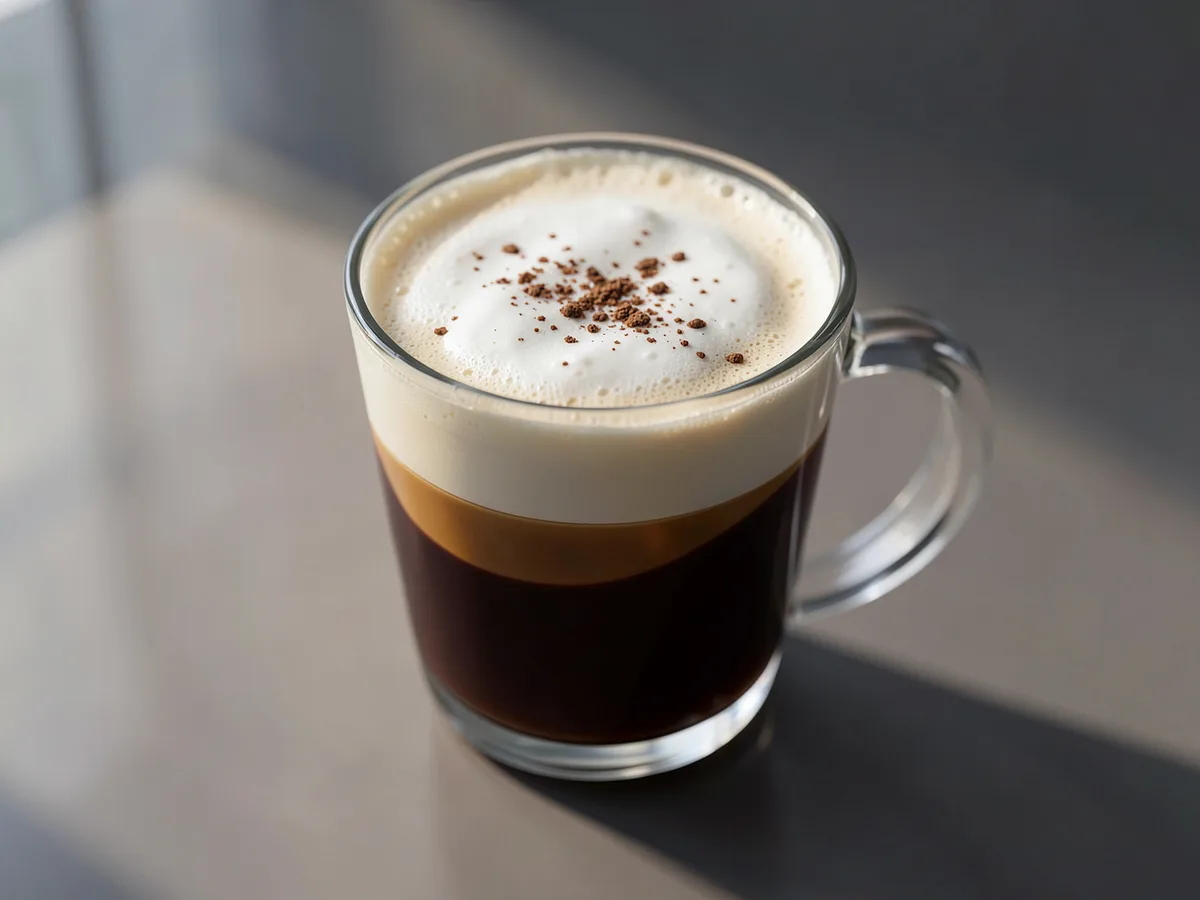
Cappuccino combines espresso, equal parts steamed milk, and foam, so a 240 ml serving delivers roughly 80–100 kcal, 6–8 g carbs, 4–5 g protein, and 3–4 g fat. A latte uses about twice the milk, raising calories to 130–150 kcal. Mocha adds chocolate syrup on top of a latte base, pushing the total to 190–230 kcal. For fat loss, choose cappuccino or a sugar‑free latte.
| Drink | Calories (kcal) | Carbs (g) | Protein (g) | Fat (g) |
|---|---|---|---|---|
| Cappuccino | 80–100 | 6–8 | 4–5 | 3–4 |
| Latte | 130–150 | 10–12 | 6–7 | 5–6 |
| Mocha | 190–230 | 18–22 | 6–7 | 7–9 |
For a visual breakdown of the three drinks, refer to Cappuccino, Mocha, Latte | Illustrated Guide to the Big Differences.
#Does mocha’s extra energy come from chocolate or milk?
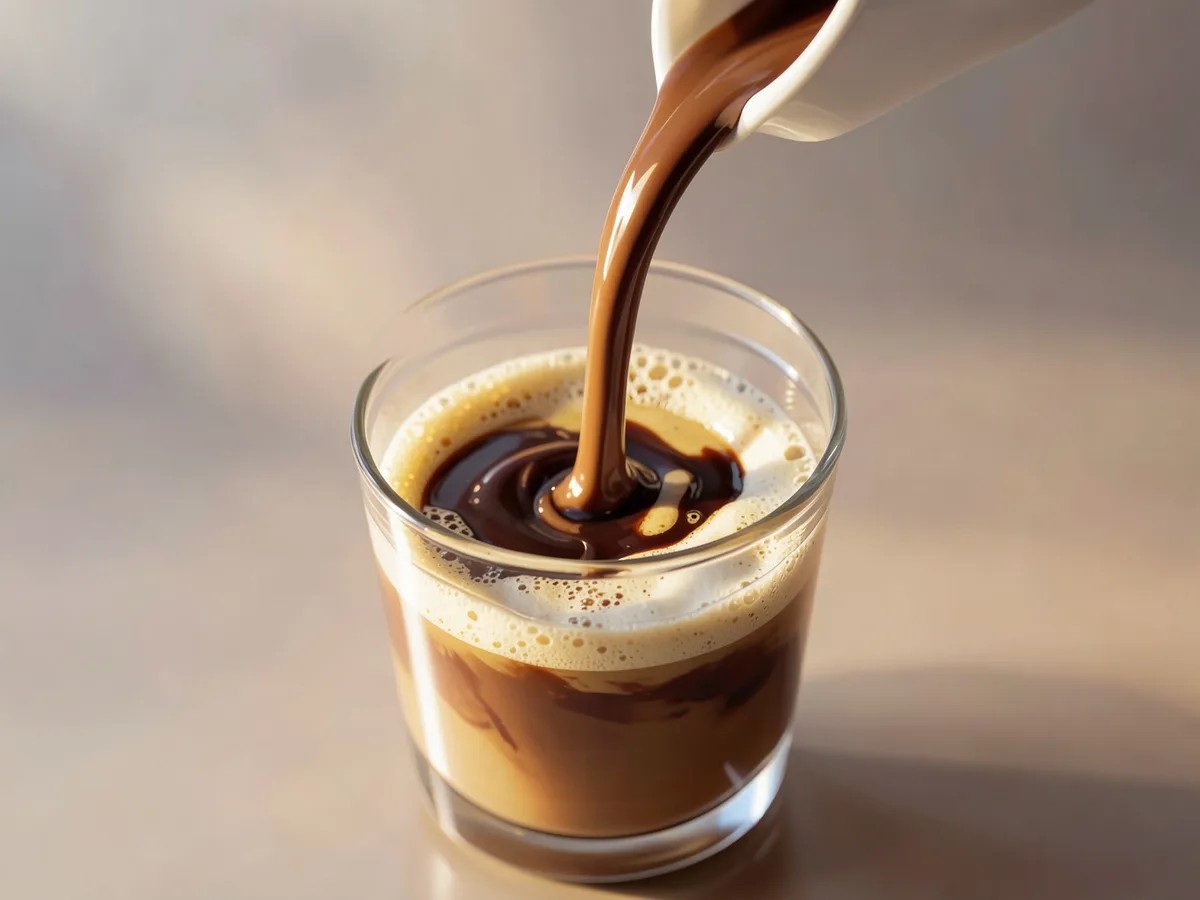
The additional 60–80 kcal in mocha stems mainly from chocolate syrup (≈15–20 g sugar), not from the milk, which contributes a similar amount as in a plain latte. Asking for “half‑sweet” or “sugar‑free chocolate” removes most of that surplus.
#How many calories does a sugar‑free latte save versus a regular latte?
A regular latte with whole milk is about 150 kcal (≈12 g natural lactose). Removing added syrups drops ~30–40 kcal, landing near 110–120 kcal. Switching to unsweetened oat or almond milk can shave another 20–30 kcal. See the detailed guide Latte Calories Comparison: Standard vs Oat vs Sugar‑Free — Real Data & Low‑Cal Guide for Fat Loss.
#Does the amount of cappuccino foam change total calories?
Foam is aerated milk; its mass stays the same. Standard foam (~60 ml) adds ~30 kcal. “Dry” foam reduces liquid milk slightly, saving 5–10 kcal; “wet” foam adds a few calories. The effect is minor compared with total milk volume.

#How to order a low‑calorie latte or mocha at a café?
- Request “no sugar” or “half sugar.”
- Choose low‑fat dairy, unsweetened oat, or almond milk.
- For mocha, ask for sugar‑free cocoa powder or a stevia‑based syrup.
- Specify “less foam” or “dry cappuccino” to cut liquid milk.
- Confirm cup size to avoid hidden large‑cup calories.
#Takeaway & next step
Knowing the calorie architecture of these classics lets you keep the coffee ritual while aligning macros with your goals. Next visit, try a “sugar‑free oat cappuccino” — enjoy the bittersweet moment, leave the excess calories behind, and let each sip become a line of emotional customization in your personal third space.
#FAQ
#Which coffee has the lowest calories for a fat‑loss phase?
Cappuccino, at roughly 80–100 kcal per 240 ml, is the lightest option.
#Does mocha’s extra energy come from chocolate or milk?
Primarily from chocolate syrup, contributing about 60–80 kcal of added sugar.
#How many calories does a sugar‑free latte save versus a regular latte?
About 30–40 kcal less (≈110–120 kcal total); plant‑milk swaps can save another 20–30 kcal.
#Does cappuccino foam amount affect total calories?
Only marginally — 5–10 kcal variation — because foam mass equals the milk it replaces.
#How to order a low‑calorie latte or mocha at a café?
Ask for no added sugar, choose unsweetened low‑fat or plant milk, request sugar‑free chocolate for mocha, reduce foam, and verify cup size.

Comments