
Best Freeze Dried Coffee Brands: 2024 Four-Dimension Scorecard & Buyer's Guide
TL;DR: Freeze-dried coffee quality hinges on four factors: specialty-grade beans (SCA 80+), vacuum sublimation ≤ 50 °C, flavor fidelity vs. hand-brew, and cost per cup. We score Yongpu, Sandunban, Yuitagawa, Seesaw and legacy brands on a 100-point model so you can buy specialty-grade instant coffee with confidence.
#What Is the Fundamental Difference Between Freeze-Dried and Traditional Instant Coffee?
The divide is physical and agricultural. Spray-dried instant atomizes concentrate into 180–250 °C hot air; seconds later volatile aromatics are gone and Maillard reactions flatten flavor to burnt caramel, often masked by non-dairy creamer and artificial sweeteners.
Freeze-drying uses vacuum sublimation: frozen extract (-40 °C or colder) turns ice directly to vapor under ≤ 10 Pa vacuum, never exceeding 50 °C. This preserves delicate acids and aroma precursors. Raw material matters too — freeze-dried brands typically source single-origin specialty beans (SCA ≥ 80) roasted to cup-profile specs, not commodity blends.
Key terms: Freeze-Drying / Sublimation / Specialty Coffee / SCA Score
#How to Read the Label and Avoid Creamer & Artificial Sweeteners
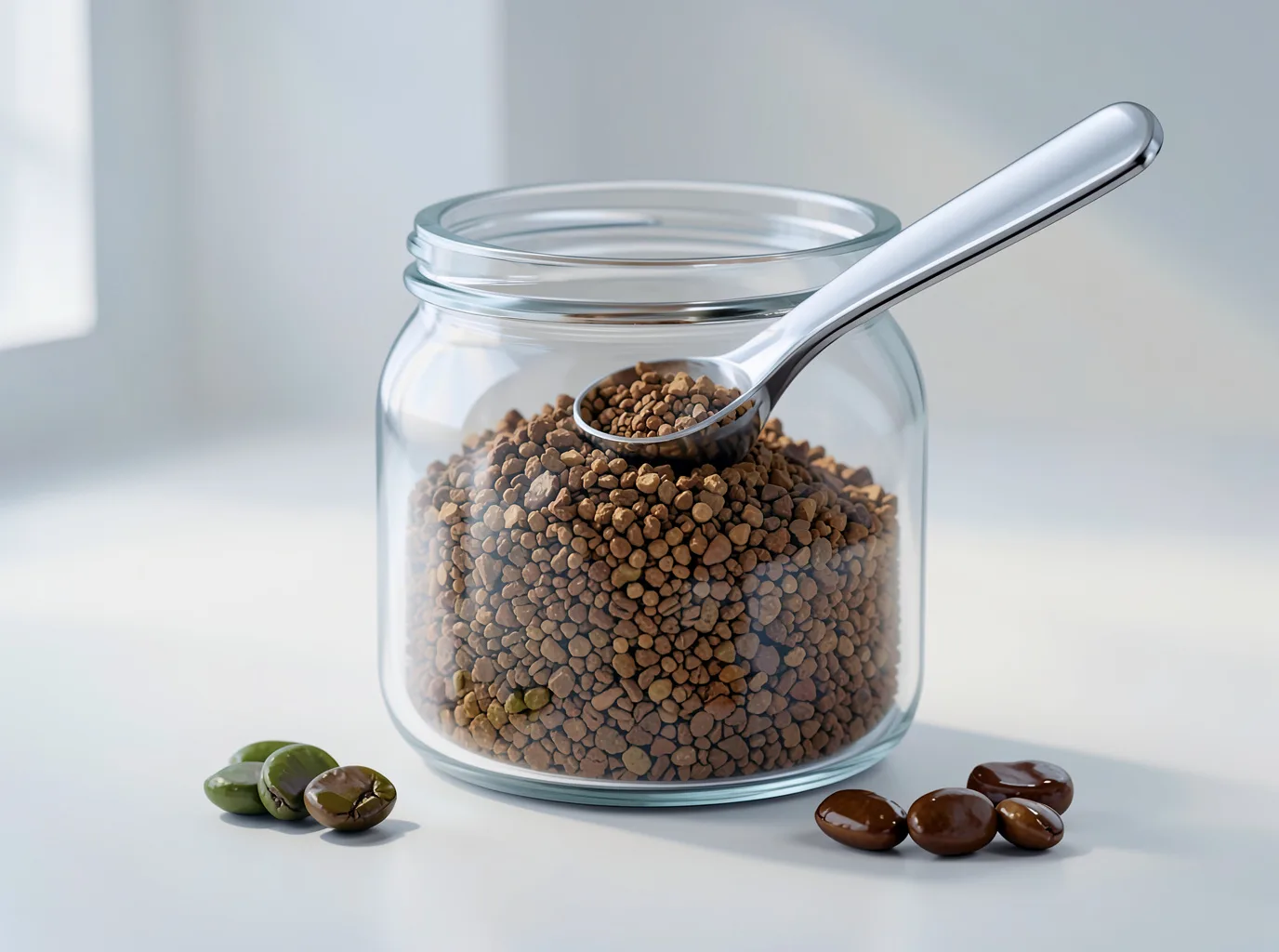
Flip the pack. The ingredient list should read only "coffee powder" or "Arabica coffee beans." Red flags:
- Non-dairy creamer / hydrogenated vegetable oil — fake body, trans-fat risk.
- Sucralose, erythritol, or sugar — masking defective beans.
- Flavors, emulsifiers, anti-caking agents — unnecessary if raw material is sound.
- "Coffee solids" < 95 % — Chinese standard GB/T 31316 requires ≥ 95 % for freeze-dried; lower means filler.
Rule of thumb: shorter ingredient list, specific origin notes (e.g., "Yunnan Pu'er Natural", "Ethiopia Yirgacheffe Washed") signal integrity.
#Four-Dimension Scorecard: Bean Grade · Process · Flavor Fidelity · Cost Per Cup
We weight the radar at 30 % / 25 % / 30 % / 15 %. ≥ 80 = "Recommended", 60–79 = "Situational", < 60 = "Avoid".
| Brand / Dimension | Bean Grade (30) | Process (25) | Flavor Fidelity (30) | Cost/Cup (15) | Total | Positioning |
|---|---|---|---|---|---|---|
| Yongpu | 27 | 23 | 26 | 11 | 87 | Specialty entry |
| Sandunban | 24 | 22 | 24 | 13 | 83 | Daily value |
| Yuitagawa | 25 | 20 | 23 | 12 | 80 | Origin explorer |
| Seesaw | 26 | 21 | 25 | 10 | 82 | Light-roast fidelity |
| Moccona Freeze-Dried | 18 | 19 | 18 | 14 | 69 | Office standby |
| Nestlé Gold Freeze-Dried | 15 | 18 | 16 | 15 | 64 | Price anchor |
Data: brand-disclosed origin/roast info, public cupping records, e-commerce per-cup prices (June 2024). Not a hands-on panel test.
#Bean Grade (30 %): Can you see origin, variety, process, roast level?
- Yongpu: Single-estate Yunnan (Baoshan/Pu'er), varieties Caturra & Typica, natural/washed/honey, Agtron numbers published.
- Sandunban: Early blends; recent "Single Origin" line names Ethiopia/Panama but variety detail sparse.
- Yuitagawa: SKUs named by origin (e.g., "Colombia Huila Washed"), high transparency.
- Seesaw: Light-roast focus (Agtron 85+), origin + process labeled, preserves floral/fruit acidity.
#Process (25 %): Are vacuum level, sublimation temp, secondary drying disclosed?
Target metrics: vacuum ≤ 10 Pa, primary drying ≤ 40 °C, secondary ≤ 50 °C. Yongpu and Seesaw publish "dual-stage sublimation + low-temp aroma lock". Sandunban states "low-temp vacuum freeze-dry". Yuitagawa cites "aerospace-grade" without parameters. Moccona/Nestlé only say "freeze-dried".
#Flavor Fidelity (30 %): Cupping vs. hand-brew benchmark across aroma, flavor, acidity, body, aftertaste
Hand-brew same origin = 100 baseline:
- Yongpu Yunnan Natural: floral/fruit 88, bright acidity 85, body 80, finish 82 → 84 %
- Seesaw Ethiopia Washed: jasmine 90, citrus 88, tea-like 85, finish 80 → 86 %
- Sandunban Panama Geisha: floral 82, acidity 78, body 75, finish 76 → 78 %
- Moccona: caramel 70, bitterness 65, thin body 60 → 64 %
#Cost Per Cup (15 %): 2 g serving, shipped member price
- Yongpu: ¥6.5–9 ($0.9–1.3)
- Sandunban: ¥4.5–7 ($0.6–1.0)
- Yuitagawa: ¥5–8 ($0.7–1.1)
- Seesaw: ¥7–10 ($1.0–1.4)
- Moccona/Nestlé: ¥2–3 ($0.3–0.4)
#Which Offers the Best Value: Yongpu, Sandunban, Yuitagawa, or Seesaw?
Value ≠ lowest price; it's flavor fidelity per yuan.
- High-frequency daily drinker: Sandunban promo packs ~¥4.5/cup, 78 % fidelity — lowest marginal cost.
- Weekend origin explorer: Yuitagawa origin boxes ¥5–8/cup, 80 %+ fidelity — controlled discovery cost.
- Light-roast fan chasing floral/fruit peak: Seesaw ¥7–10/cup, 86 % fidelity — closest to hand-brew light roast.
- Systematic flavor learner: Yongpu widest SKU range (natural/washed/anaerobic/honey) + flavor-wheel app — highest composite score.
Decision tree:
3 cups/day → Sandunban subscription
- Origin hopping → Yuitagawa gift box
- Light-roast acidity lover → Seesaw single-origin
- Building flavor map → Yongpu taster subscription
#Can Freeze-Dried Coffee Be Brewed with Cold Water?
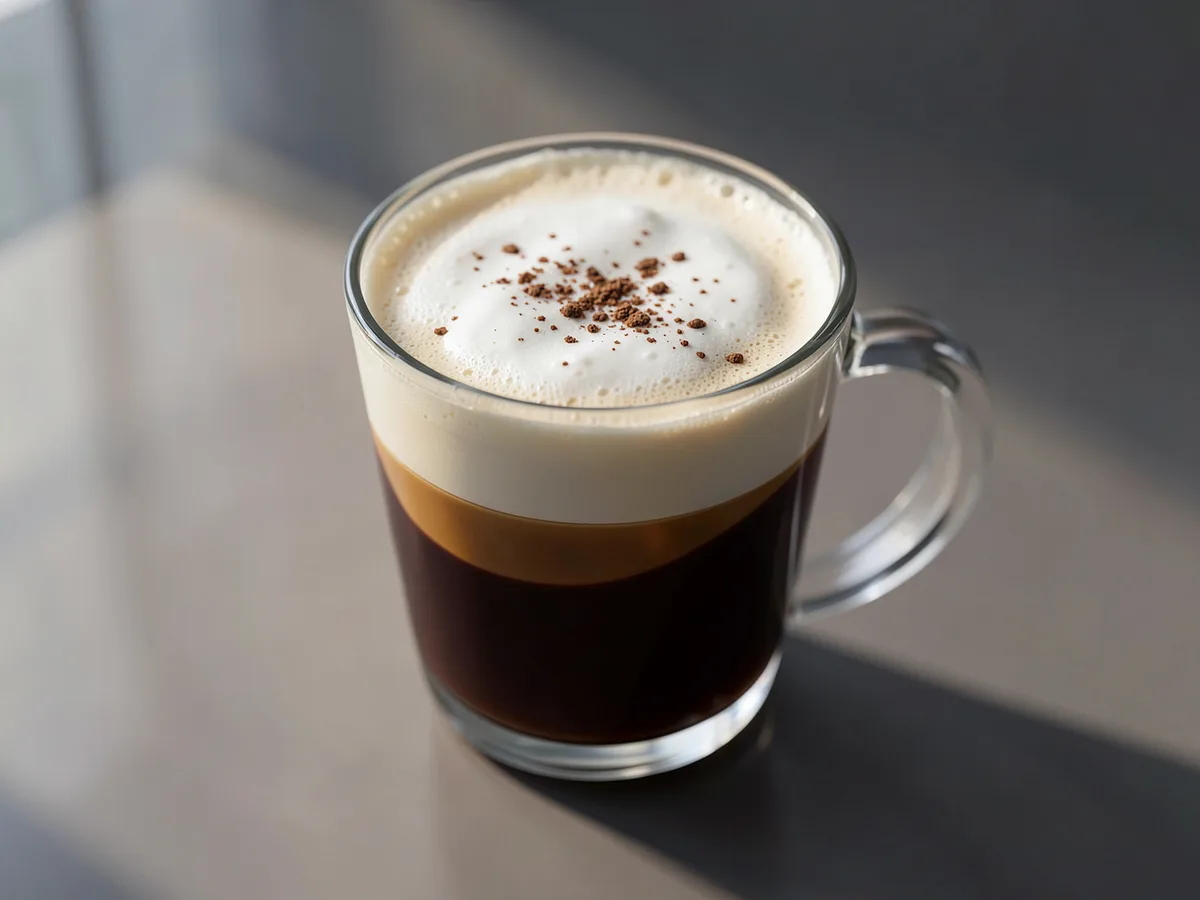
Yes — and it's the highest-ROI cold-brew alternative. The porous granules dissolve in 15–20 °C water in 30–60 seconds, no heat needed.
Cold-brew golden ratio: 2 g powder + 150 ml ice water/milk/oat milk, shake 15 s, rest 1 min. Extraction ~85 % (hot water 95 %+); acidity softer, bitterness lower, body slightly reduced — perfect for iced Americano or iced latte.
Next level: adapt the 1:50 ratio from our ["/en/article/cold-brew-coffee-recipe-ratio"] guide, cold-steep 4 h for "minimalist cold brew" with more layers than direct dissolution.
#Shelf Life & Moisture-Proof Storage
Unopened: 12–18 months at room temp (check pack). Opened risk = moisture → clumping → accelerated oxidation.
Three-layer defense:
- Original foil bag/tin: squeeze air out, reseal with food-grade silica gel or montmorillonite desiccant inside.
- Home vacuum portioning: vacuum-seal weekly portions, freeze (-18 °C) — flavor loss < 10 % at 6 months.
- Daily jar + rechargeable desiccant stick: ceramic/glass jar for daily dose, microwave-revivable stick, avoids opening bulk container.
Spoilage signals: yellowed/hard granules, cardboard/rancid oil smell, no crema, dull reddish-brown liquor.
#Advanced Red-Flag Checklist: Five "Fake Specialty" Signals
- "Arabica" only, no origin/variety/process → commodity blend fallback.
- "Zero additives" but won't publish solids % → likely maltodextrin filler.
- "Aerospace/patented freeze-dry" marketing without vacuum/temp specs → concept > process.
- Per-cup < ¥3 yet claims "specialty beans" → economics don't support SCA 80+ green cost.
- No production date/batch traceability code → freshness unverifiable.
#Closing: A Cup of Freeze-Dried Is Also a Life Attitude
Freeze-dried coffee's evolution mirrors specialty coffee moving from "third place" to "portable flavor atlas." When we read terroir on the label, respect aroma's fragility in sublimation temperature, and weigh time's value in per-cup cost, freeze-dried ceases to be compromise and becomes ritual extended. Next time you tear a sachet, pause — smell the first bloom of floral fruit from the dry powder. That, too, is a gift from the land.
Next step: To build a systematic flavor framework, start with ["/en/article/maxwell-coffee-flavor-guide"] and fold freeze-dried into your home coffee map.
#FAQ
#What is the essential difference between freeze-dried and instant coffee?
Freeze-dried uses vacuum sublimation ≤ 50 °C to lock aroma precursors; raw material is usually SCA 80+ specialty single-origin. Traditional instant uses 180–250 °C spray-drying, destroying volatiles, often masked with creamer and sweeteners.
#Which brand gives the best value: Yongpu, Sandunban, Yuitagawa, or Seesaw?
Value = fidelity per yuan. Daily high volume → Sandunban (~¥4.5/cup, 78 %). Origin hopping → Yuitagawa (¥5–8, 80 %+). Light-roast acidity lover → Seesaw (¥7–10, 86 %). Systematic learner → Yongpu (¥6.5–9, 87 % composite).
#Can freeze-dried coffee be made with cold water?
Yes. Porous granules dissolve in 30–60 s at 15–20 °C. Cold extraction ~85 %; softer acidity, less bitterness, good for iced drinks. For deeper layers, cold-steep 1:50 for 4 h (see our cold-brew ratio guide).
#How to read the label to avoid creamer and artificial sweeteners?
Ingredients must only be "coffee powder" or "Arabica coffee beans." Reject hydrogenated oil, sucralose/erythritol/sugar, flavors, emulsifiers. Solids ≥ 95 % (GB/T 31316). Specific origin labeling = higher trust.
#What is the shelf life and how to keep freeze-dried coffee dry?
Unopened 12–18 months. Opened: 1) squeeze original pack + desiccant, 2) vacuum-portion & freeze, 3) daily jar + rechargeable desiccant. Spoilage = yellow/hard granules, cardboard/rancid smell, no crema, dull color.
Comments