
Arabica vs Robusta Difference: A Deep-Dive Comparison from Gene to Cup
TL;DR: Arabica and Robusta are the two pillars of the coffee world: Arabica (Coffea arabica), a tetraploid hybrid from the Ethiopian highlands, delivers complex floral-fruit acidity and lower caffeine (~1.2%), making it the darling of specialty single-origin coffee. Robusta (Coffea canephora), a diploid native to the Central African lowlands, packs double the caffeine (~2.2%), intense bitterness, and disease resistance, dominating instant and espresso-blend markets. Choose Arabica for nuanced flavor; choose Robusta for heavy body and a stronger kick.
#What Are the Genetic and Origin Differences Between Arabica and Robusta?
Arabica is the “blue blood” of coffee. It arose from a natural cross between Robusta (Coffea canephora) and Coffea eugenioides, followed by chromosome doubling, giving it a tetraploid set of 44 chromosomes. Its birthplace is the cloud forests of Ethiopia’s southwestern highlands. This genetic complexity provides a richer pool of aroma precursors but also makes the plant more finicky.
Robusta is the “survivor.” As a diploid (22 chromosomes) progenitor species, it originated in the lowland tropical rainforests of the Congo Basin to the shores of Lake Victoria in Uganda. Its simpler genome confers vigorous resistance to pests, diseases, and heat—the very meaning of robust.
Pro tip: Arabica’s self-pollinating nature keeps varietal purity high, while Robusta’s cross-pollination creates vast genetic diversity in the field, complicating breeding efforts.
#How Do Altitude, Climate, and Disease Resistance Shape the Bean?
| Dimension | Arabica | Robusta |
|---|---|---|
| Ideal Altitude | 1,000–2,200 m | 200–800 m |
| Mean Temp. | 15–24 °C | 22–30 °C |
| Leaf Rust Resistance | Low (needs shade/sprays) | High (natural) |
| Yield/ha | 1.5–3 t | 3–5 t |
| Harvest Cycle | 9–11 months | 10–12 months |
Arabica craves “cool heights”: large diurnal temperature swings and persistent mist slow cherry maturation, piling up sugars and organic acids that translate into bright acidity and layered complexity. That same fragility made it victim to coffee leaf rust, which wiped out Sri Lanka’s entire Arabica industry in the 19th century, forcing a global pivot to Robusta.
Robusta thrives in heat, humidity, and full sun. Its deep taproot resists drought; thick leaves naturally repel rust and the coffee berry borer. Vietnam’s Central Highlands, Brazil’s Espírito Santo, and Indonesia’s lowland Sumatra are its strongholds. High yield and low cost make it the backbone of commercial and instant coffee.
#Chemical Composition: Caffeine, Lipids, Sugars, and Chlorogenic Acid
Three key numbers frame the chemical divide:
- Caffeine: Robusta ~ 2.2%, Arabica ~ 1.2% (dry weight). Caffeine is the plant’s natural pesticide; heavier pest pressure at low elevations drove Robusta to evolve double the concentration.
- Lipids & Sugars: Arabica lipids 15–17%, sucrose 6–9%; Robusta lipids 10–12%, sucrose 3–7%. Lipids carry aromatics; sugars fuel caramelization and Maillard reactions for sweetness and body.
- Chlorogenic Acid (CGA): Robusta 7–10%, Arabica 5.5–8%. CGA degrades during roasting into quinic and caffeic acids; excess creates harsh astringency—the chemical root of Robusta’s notorious “burnt rubber” note.
Glossary: Chlorogenic Acid (CGA) / Sucrose / Lipids / Maillard Reaction
#Flavor Face-Off: What the Cupping Table Reveals
Under SCA cupping protocol, the profiles diverge sharply:
- Arabica: High aromatics (jasmine, citrus, berry, honey), bright transparent acidity (malic, citric), medium-delicate body, long sweet finish. Washed Ethiopian Yirgacheffe routinely scores 88+; Brazilian Cerrado natural leans chocolate-nut.
- Robusta: Low, cereal/peanut/woody dry fragrance; heavy, syrupy mouthfeel; almost no acidity; dominant bitterness (dark chocolate, smoke, rubber); short finish. Premium washed Robustas (e.g., India Kaapi Royale, Vietnam specialty washed) can hit 80–82, showing clean cocoa, spice, and bittersweet balance.
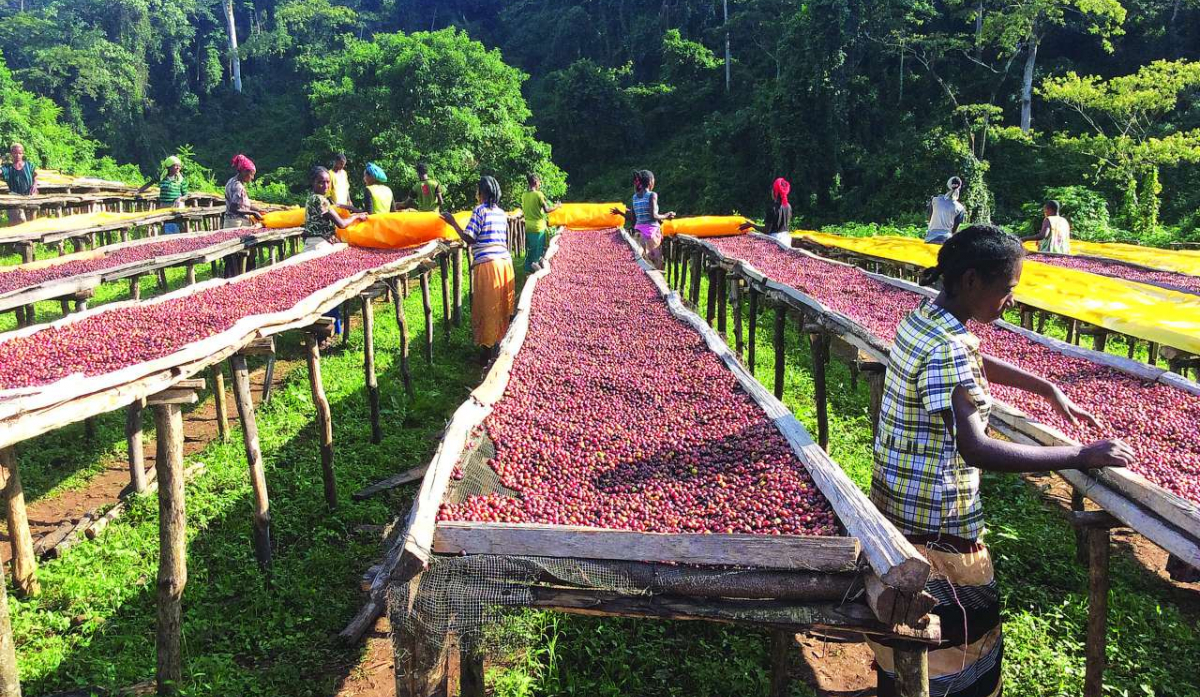
Processing amplifies the gap: Natural Arabica unleashes winey fermentation notes; washed Robusta strips away off-flavors to reveal a cocoa-nut base. If your espresso blend yields a thick, persistent crema and lingering bittersweetness, 10–20% quality Robusta is likely the silent partner.
#Caffeine Content & Health: Do You Really Need That Jolt?
A 30 ml espresso shot: Arabica ~ 60–80 mg caffeine, Robusta ~ 100–130 mg. A 15 g pour-over at 1:15 ratio: Arabica ~ 120–150 mg, Robusta can exceed 250 mg.
Health notes:
- Caffeine-sensitive individuals, pregnant people, and those with anxiety should favor Arabica or decaf.
- Robusta’s higher CGA may stimulate gastric acid; avoid on an empty stomach.
- Both deliver polyphenol antioxidants; moderate intake (≤ 400 mg caffeine/day) supports cardiovascular and metabolic health.
We break down caffeine metabolism variability and drinking guidelines in Evidence-Based Coffee Health Benefits & Nutrition.
#Market Price & Trade Logic: Why Is Arabica More Expensive?
Price anchor: ICE Arabica futures (C-price) have long traded at 1.5–2.5× London LIFFE Robusta futures. In the 2023–24 crop year, Arabica averaged 180–220 ¢/lb vs. Robusta at 100–130 ¢/lb.
Core drivers:
- Supply elasticity: Robusta’s high yield, disease resistance, and mechanical harvestability make supply responsive; Arabica relies on hand-picking and is climate-vulnerable (Brazil frosts, Colombia La Niña).
- Demand structure: Specialty cafés and single-origin retail lock in Arabica premiums; instant factories, large-scale espresso blenders, and energy-drink makers lock in Robusta’s volume demand.
- Quality premiums: SCA 80+ specialty Arabica lots auction at 5–50× futures; Fine Robusta is emerging but premium headroom remains narrower.
For long-cycle forecasting see 2026 Coffee Price Forecast: Supply-Demand-Cost-Sentiment Three-Factor Model.
#Choosing by Scenario: Home Pour-Over, Espresso Blends, Commercial Roasting
#Home Pour-Over / Drip Enthusiast
- Pick: SCA 85+ single-origin Arabica (Ethiopia, Panama, Colombia).
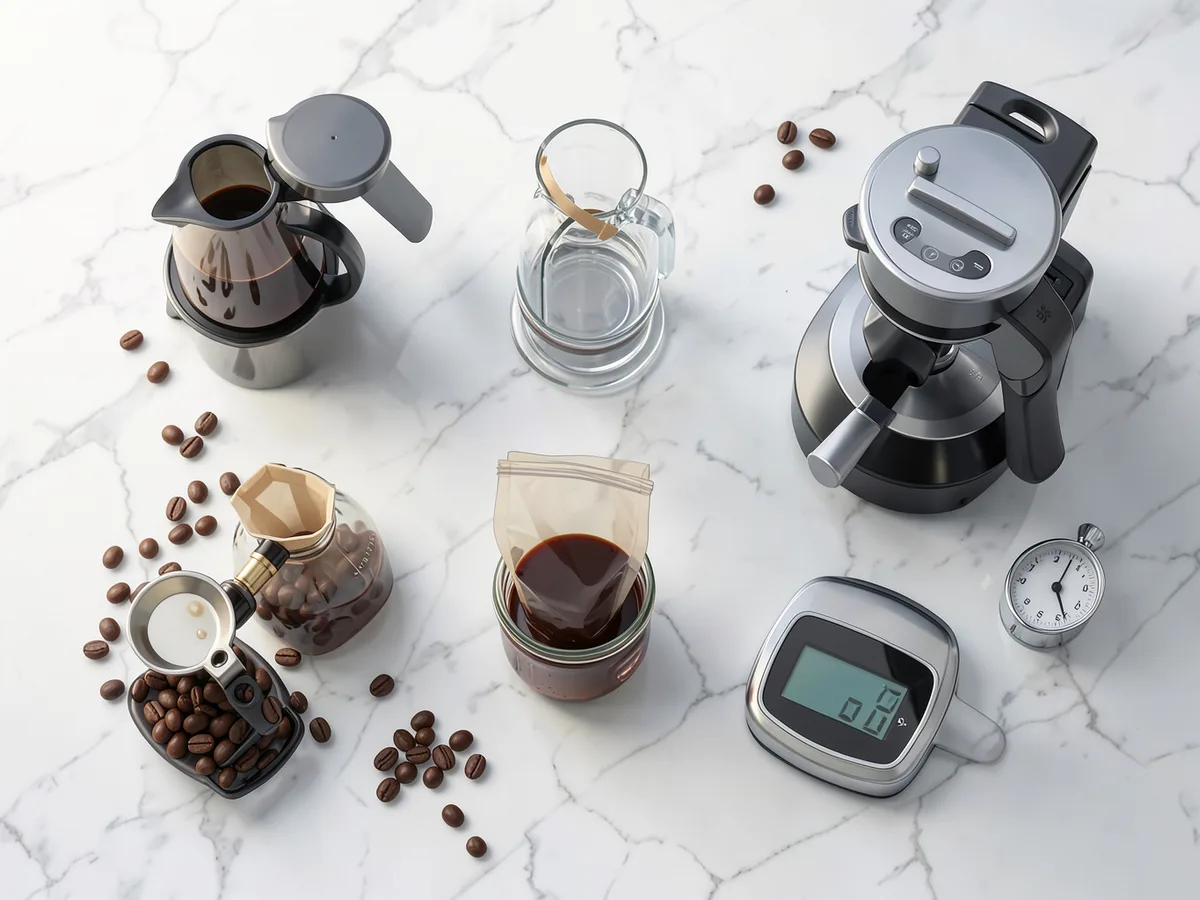
- Grind: Medium-fine (like fine sea salt for V60), water 90–93 °C, ratio 1:15–1:16.
- Goal: Capture terroir-driven floral-fruit sweetness; savor the “ritual” and “emotional customization.”
#Espresso Blend / Milk-Base Foundation
- Classic formula: 70% Brazil/Honduras Arabica (sweet base) + 20% India/Vietnam washed Robusta (crema & body) + 10% Ethiopia/Kenya Arabica (high-note accent).
- Roast: Medium-dark (Agtron 45–55) for full oil migration and golden, lasting crema.
#Commercial Roasting / Instant Feedstock
- Key specs: Moisture ≤ 11%, defects ≤ 5/300 g, CGA ≤ 9%, stable supply chain pricing.
- Strategy: Lock in Vietnam Grade 1 / Indonesia Grade 4 Robusta long-term contracts, balanced with Brazil NY 2/3 Arabica for cost control.
#Closing: A Cup, A Conversation
Arabica and Robusta have never been about better or worse—they are a dual reflection of terroir and intent. Arabica composes poetry in mountain mist; Robusta distills strength under tropical sun. When you spiral water over a V60 bed and watch the bloom release jasmine, or hear the steam wand scream as velvet crema rises like silk—genes, chemistry, terroir, roast, and extraction all collapse into one sip of “bitterness ends, sweetness follows.”
Next step: grab two same-roast coffees—one specialty Arabica, one premium washed Robusta—and cup them side-by-side using identical parameters. Score aroma, acidity, body, flavor, aftertaste. At the intersection of data and sensation, you’ll read your own coffee language.
Deepen your exploration: browse Arabica vs Robusta: A Gene-to-Cup Decision Map for a visual decision tool, or Essential Beginner Knowledge About Coffee Beans for foundational context.
#FAQ
#Which bean is more expensive?
Arabica. Futures prices typically run 1.5–2.5× Robusta; specialty Arabica lots can auction at 5–50× the C-price due to higher farming costs, lower yields, heavy hand-labor, and the specialty premium.
#Which one has more caffeine?
Robusta contains roughly double the caffeine of Arabica (2.2% vs 1.2% dry weight). At equal brew ratios, Robusta drinks deliver significantly more caffeine—suitable for a strong lift, but cautious for caffeine-sensitive drinkers.
#Why does specialty coffee almost exclusively use Arabica?
Specialty coffee requires an SCA cupping score ≥ 80, rewarding flavor complexity, bright acidity, sweet balance, and zero defects. Arabica’s high-lipid, high-sugar, low-CGA chemistry naturally aligns with these metrics; Robusta’s genetic and chemical ceiling limits its diversity and upper score potential, though Fine Robusta is emerging.
#Does Robusta always taste like “burnt tires”?
Not necessarily. Traditional dry/natural Robusta often develops rubbery, earthy, smoky defects from uncontrolled fermentation. Modern washed, anaerobic, and honey-processed Fine Robustas from Vietnam, India, and Brazil—rigorously sorted—show clean cocoa, spice, nut, and bittersweet notes, widely used in high-end espresso blends for crema and body.
#Can I brew Robusta as a pour-over at home?
Yes, but choose premium washed Robusta. Grind slightly coarser than Arabica, drop water temp 2–3 °C, and slow your pour to curb over-extraction bitterness. Expect intense cocoa-nut flavor, near-zero acidity, and heavy body—ideal for low-acid lovers or cold-brew/ice-drip bases.
Comments