
Kopi Luwak Animal Welfare Controversy: From Curiosity to Traceability, An Ethical Consumer's Guide to Avoiding Pitfalls and Finding Alternatives
TL;DR: The kopi luwak animal welfare controversy centers on a premium price tag masking systemic caged cruelty and wild-collection fraud. True "cruelty-free" supply is limited to WAP/UTZ-certified wild harvests under 500 kg/year per region; over 90% of the market is caged. Switch to enzyme-simulated fermentation beans or same-price Ethiopian/Panamanian natural specialty lots for flavor without the ethical cost.
#Why "Cat Poop Coffee" Turned from Legend into an Ethical Minefield
Legend says 18th-century Dutch East India Company forbade Javanese farmers from picking coffee cherries, so they collected undigested beans from civet droppings, discovering a smoother, less bitter cup. This "bitterness turns to sweetness" tale cloaked kopi luwak in a "world's most expensive coffee" aura, making it a gift-list and bucket-list staple.
But when demand far exceeded what wild civets naturally excrete, the supply chain mutated: civets were captured, caged, and force-fed coffee cherries. Chronic stress caused self-mutilation, fur loss, and early death. "A cup of cat poop coffee, a cup of cat life coffee" is not hyperbole—it is the consensus of World Animal Protection (WAP), PETA, and field investigations.
#Caged vs. Wild Collection: How to Tell Real from Fake
Labels like "wild collected" or "free-range" are rife with greenwashing. Consumers can use three filters for a first pass:
#1. Certification Traceability
- WAP "Wildlife Friendly" Certification / UTZ / Rainforest Alliance: Require full traceability to specific forest blocks, zero caging, zero force-feeding.
- CITES Appendix III Permit: Exporting countries (Indonesia, Philippines) must issue legal collection proof, but this only confirms legality, not welfare compliance.
#2. Supply Chain Transparency Questions
Ask the seller:
- Exact protected forest coordinates?
- Annual yield cap? (Wild harvest typically < 500 kg/region)
- Collector cooperative agreements and third-party audit reports?
If they only show "organic certificates" or "export licenses" and refuse origin details, it is almost certainly caged coffee whitewashed.
#3. Physical Trait Comparison Table
| Trait | Wild Collected (Real) | Caged / Adulterated (Fake) |
|---|---|---|
| Bean Size | Uneven, mixed ripeness | Highly uniform, screen-sorted |
| Silverskin | Partial, pale yellow-brown | Over-polished, minimal silverskin |
| Aroma Profile | Complex fermentation fruit + earth | Single-note caramel/chocolate |
| Price Range (green/kg) | > $600 | $100–300 |
Reminder: Sub-$100 "kopi luwak" on domestic e-commerce is virtually 100% caged or adulterated—do not gamble.
#Which Brands Are Certified "Cruelty-Free"?
As of 2024, very few brands globally hold both WAP and UTZ endorsement with continuous supply. They cluster in three regions: Indonesia's Gayo Highlands (Sumatra), Philippines' Civet Coffee Philippines cooperative, Vietnam's Dak Lak protected zone. Notable examples:
- Kopi Luwak Direct (Indonesia): Signed habitat protection agreement with forestry dept., annual yield capped at 300 kg, each batch includes GPS coordinates and third-party audit PDF.
- Wild Gayo Luwak (Indonesia): Dual UTZ + Organic certification; pickers paid per kg not commission, removing over-harvest incentives.
- Alamid Coffee (Philippines): Community cooperative model, profits fund habitat restoration, holds Rainforest Alliance "Climate Friendly" label.
Buying Advice: Order only from brand websites or authorized specialty roasters; demand batch-level traceability codes; reject loose/gift-box lots without trace codes.
#Simulated Civet Fermentation: How Close Is Enzyme Processing?
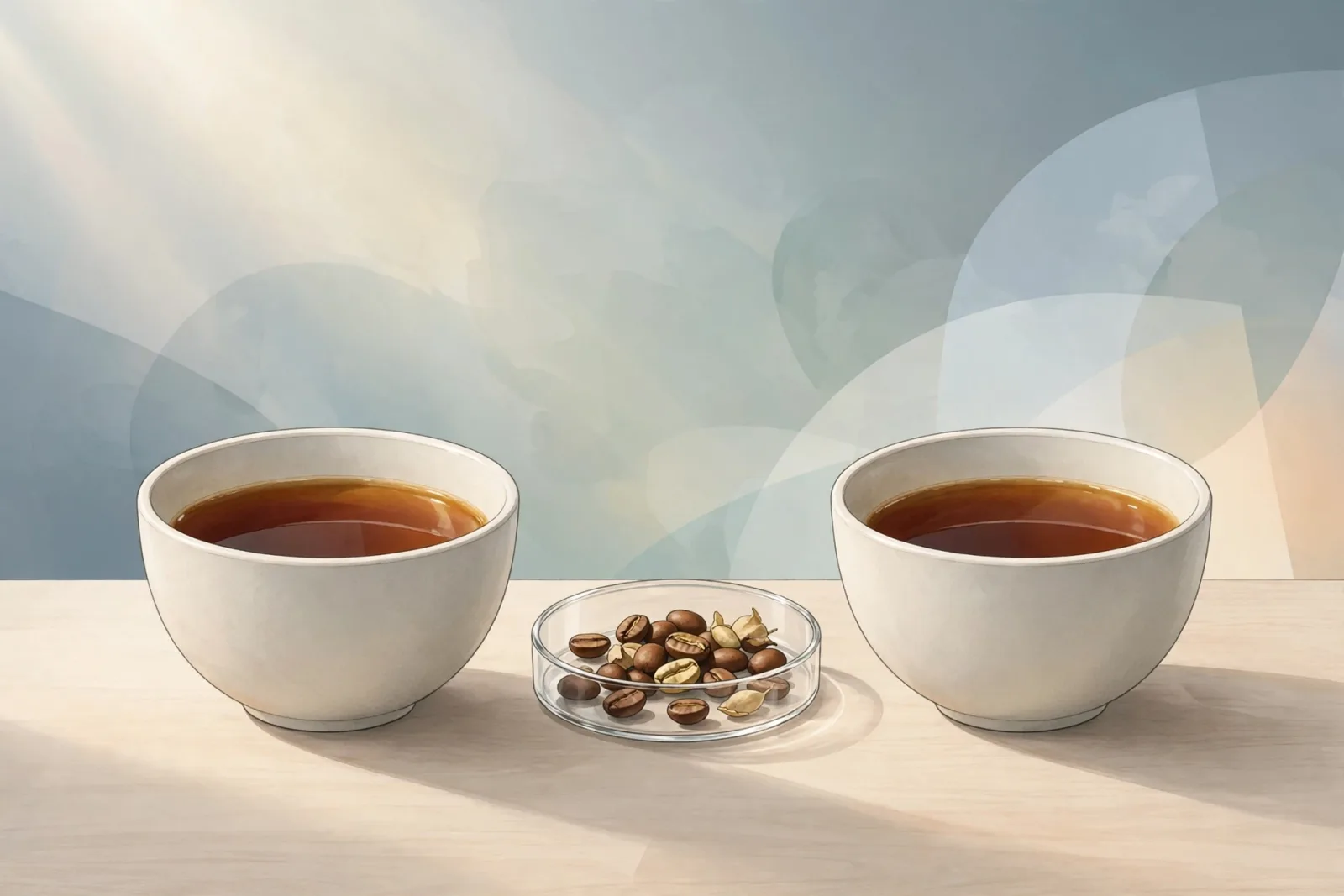
Research teams and specialty roasters now use commercial enzyme blends (pectinase + cellulase + specific yeast strains) to mimic the civet gut microbiome, fermenting natural/honey-processed green beans for 24–36 hours anaerobically before roasting. Public cupping comparisons show:
| Dimension | Wild Kopi Luwak | Enzyme Simulated | Regular Natural Control |
|---|---|---|---|
| SCA Score | 86–88 | 84–86 | 82–84 |
| Body | High (mucilage residue) | Medium-High | Medium |
| Acidity | Rounded citrus/tropical | Bright berry/citrus | Sharp grassy |
| Finish | Long caramel + tobacco | Clean honey + floral | Short, dry |
| Welfare Risk | Extreme (unless certified) | Zero | Zero |
| Price (green/kg) | > $600 | $40–80 | $15–30 |
Verdict: Enzyme processing replicates >85% of core flavor signatures (low bitterness, high sweetness, complex fermentation) at 1/10 the cost of genuine beans—currently the optimal balance of value and ethics. In China, micro-lot roasters in Baoshan and Pu'er, Yunnan, now offer "enzyme natural" and "anaerobic enzyme" series; look for roast dates within 14 days.
#Does Drinking Kopi Luwak Violate CITES?
Personal use import/mailing of small quantities (usually < 1 kg) of legally certified product is generally not illegal, provided:
- Exporting country issues a CITES permit (Appendix III requires export permit, not import permit).
- You declare at customs and retain intact packaging with traceability codes.
- Non-commercial quantity within reasonable personal use.
Risk Points:
- Uncertified "smuggled" goods face seizure, administrative fines, or criminal liability (endangered wildlife products offense).
- Caged products, while not CITES-listed, may violate China's Wildlife Protection Law Article 30 on illegal purchase/transport/sale of terrestrial wildlife.
Bottom Line: Buy nothing without traceability codes; avoid proxy purchases of unknown "special supply"; sidestep both legal and moral hazards.
#Same-Price Specialty Alternatives With No Ethical Baggage
If your budget is ¥300–500 / 200 g (≈ $40–70/kg green), these single-origin specialty lots match or exceed kopi luwak's flavor complexity with full traceability and SCA cupping reports:
| Origin / Process | Flavor Profile | Roast Level | Best Brew Methods | Ref Price (¥/200g) |
|---|---|---|---|---|
| Ethiopia Yirgacheffe G1 Natural | Lime, jasmine, red berry, winey | Light | V60, smart drip | 280–380 |
| Panama Geisha Natural / Anaerobic Natural | White peach, jasmine, honey, silky body | Light-Medium | V60, Origami | 450–600 |
| Colombia Santa Ana Anaerobic Honey | Purple grape, dark chocolate, rum barrel | Medium-Light | AeroPress, French Press | 320–420 |
| Yunnan Baoshan Natural / Enzyme Anaerobic | Mango, passionfruit, caramel, low acid | Medium | Pour-over, Cold Brew | 180–280 |
| Rwanda Gisenyi Natural | Red currant, black tea, honey, lingering finish | Light-Medium | V60, Clever | 220–300 |
Selection Tip: Prioritize roasters who publish SCA cupping sheets, moisture content (10–11%), and density (>0.7 g/ml)—more reliable than any "cat poop" label. See also "Global Coffee Origins: Indonesia" and "Specialty Coffee Beginner's Guide: 30-Day Roadmap from Novice to Blind-Tasting Flavors".
#Closing: Make Every Cup a "Guilt-Free Ritual"
Coffee's allure never lay in scarcity labels alone, but in the precise choreography of terroir, processing, roast curve, and brew parameters. When we refuse a cup built on confinement and stress, choosing instead a bean that is traceable, quantifiable, and repeatably delicious, we protect not only the civet's freedom but also the integrity of "one cup, one life attitude"—bitterness yields sweetness, but never at the cost of a life.
Your next steps:
- Open your notes app and list the "enzyme anaerobic" or "natural Geisha" lots you want to try from favorite roasters.
- Before ordering, request batch traceability codes and cupping reports; build your personal "ethical bean ledger."
- Explore more freeze-dried specialty and portable options at "Coffee Price Forecast 2026: A Three-Factor Model and Monthly Range Outlook" for great coffee on the go without compromise.
#FAQ
#How to distinguish caged civet coffee from wild collected?
Check for WAP/UTZ certification, traceability codes (GPS coordinates + audit reports), and physical traits (uneven beans, silverskin remnants, green price > $600/kg). Anything without full-chain evidence should be treated as caged or adulterated.
#Which brands are certified "cruelty-free" kopi luwak?
Globally, only a handful: Indonesia's Kopi Luwak Direct and Wild Gayo Luwak, Philippines' Alamid Coffee. Buy only from official sites or authorized specialty roasters; every batch must include a traceability PDF.
#How close is enzyme-simulated civet fermentation to the real thing?
Public cupping data shows enzyme anaerobic fermentation replicates >85% of core flavor traits (low bitterness, high sweetness, complex fermentation), scoring only 1–2 SCA points lower, at 1/10 the cost—currently the best ethical alternative.
#Does drinking kopi luwak violate CITES?
Legally certified personal-use amounts (<1 kg) with export permits and customs declaration are usually compliant. Uncertified or caged products risk seizure, fines, or criminal charges under wildlife protection laws. Avoid entirely unless you hold full documentation.
#What same-price specialty alternatives exist with similar flavor but no ethical issues?
Recommend Ethiopia Yirgacheffe G1 Natural, Panama Geisha Natural, Colombia Anaerobic Honey, Yunnan Baoshan Enzyme Natural, Rwanda Gisenyi Natural—priced ¥200–500/200g, matching or exceeding kopi luwak's complexity and body.


Comments