
Coffee Health Benefits: A 2020‑2024 Meta‑Analysis “Population‑Dose‑Benefit/Risk” Reference Table
TL;DR: 2020‑2024 high‑quality meta‑analyses consistently show that 2‑4 cups of black coffee daily lower cardiovascular mortality, type‑2 diabetes risk, and cognitive decline; pregnant women, uncontrolled hypertension, and anxiety disorders should limit or avoid caffeine — see the population‑dose‑benefit/risk table and clinician checklist below.
#How many cups of coffee are healthiest per day?
The dose‑response curve is U‑shaped:
- 0‑1 cup – minimal benefit; caffeine‑sensitive people may feel palpitations.
- 2‑3 cups (≈200‑300 mg caffeine) – ~10‑15 % lower cardiovascular mortality, ~20 % lower type‑2 diabetes risk, slower cognitive decline.
- 4‑5 cups – marginal extra benefit; insomnia and reflux risk rise.
- ≥6 cups – slight bone‑density loss and higher anxiety scores in some cohorts.
Key term: Meta‑analysis – a statistical synthesis of multiple independent studies that raises the evidence level.
#Does coffee cause osteoporosis, insomnia, or acid reflux?
| Population / Condition | Osteoporosis Risk | Insomnia Risk | Acid Reflux Risk | Suggested Intake | Notes |
|---|---|---|---|---|---|
| Healthy adults (<65 y) | No significant increase | Low after 2‑3 cups | Low | 2‑3 cups/day | Ensure adequate calcium |
| Post‑menopausal women | Slight increase ≥4 cups | Moderate | Moderate | ≤2 cups/day | Add vitamin D, weight‑bearing exercise |
| Anxiety / insomnia sufferers | — | High (>1 cup) | — | Avoid or ≤1 cup decaf | Choose low‑caffeine varieties |
| GERD patients | — | — | High (>2 cups) | ≤1 cup/day | Cold brew has lower acidity |
Why: Caffeine blocks adenosine receptors, boosting alertness but lengthening sleep latency; chlorogenic acids in light roasts buffer gastric acid stimulation.
#Can pregnant women, hypertensives, or anxiety patients drink coffee?
- Pregnancy – WHO advises ≤200 mg caffeine/day (≈1‑1.5 shots espresso). A 2022 BMJ meta‑analysis found a dose‑dependent rise in low‑birth‑weight risk above this threshold.
- Hypertension – A 2021 Hypertension systematic review showed habitual 2‑3 cups do not raise long‑term BP; acute intake may transiently add 5‑8 mmHg, so monitor individual response.
- Anxiety disorders – A 2023 JAMA Psychiatry cohort linked >250 mg daily caffeine to a 1.3‑fold higher panic‑attack rate; decaf or naturally low‑caffeine beans (e.g., Laurina) are safer alternatives.
Clinician pitfall checklist – Cardiology chief Dr. Li says: “Treat coffee as a rhythm‑tuning tool, not a crutch. Drink 30 min after breakfast, never on an empty stomach; if palpitations or tremor appear, cut back immediately.”
#What is the mechanism behind black coffee’s fat‑loss effect?
- Caffeine activates brown adipose tissue (BAT), raising non‑shivering thermogenesis ~5‑10 %.
- Chlorogenic acid inhibits glucose‑6‑phosphatase, reducing hepatic gluconeogenesis and improving insulin sensitivity.
- Appetite suppression – caffeine briefly lowers ghrelin, delaying hunger cues.
- Exercise performance boost – 3‑6 mg/kg caffeine can improve endurance 2‑4 %, indirectly increasing calorie burn.
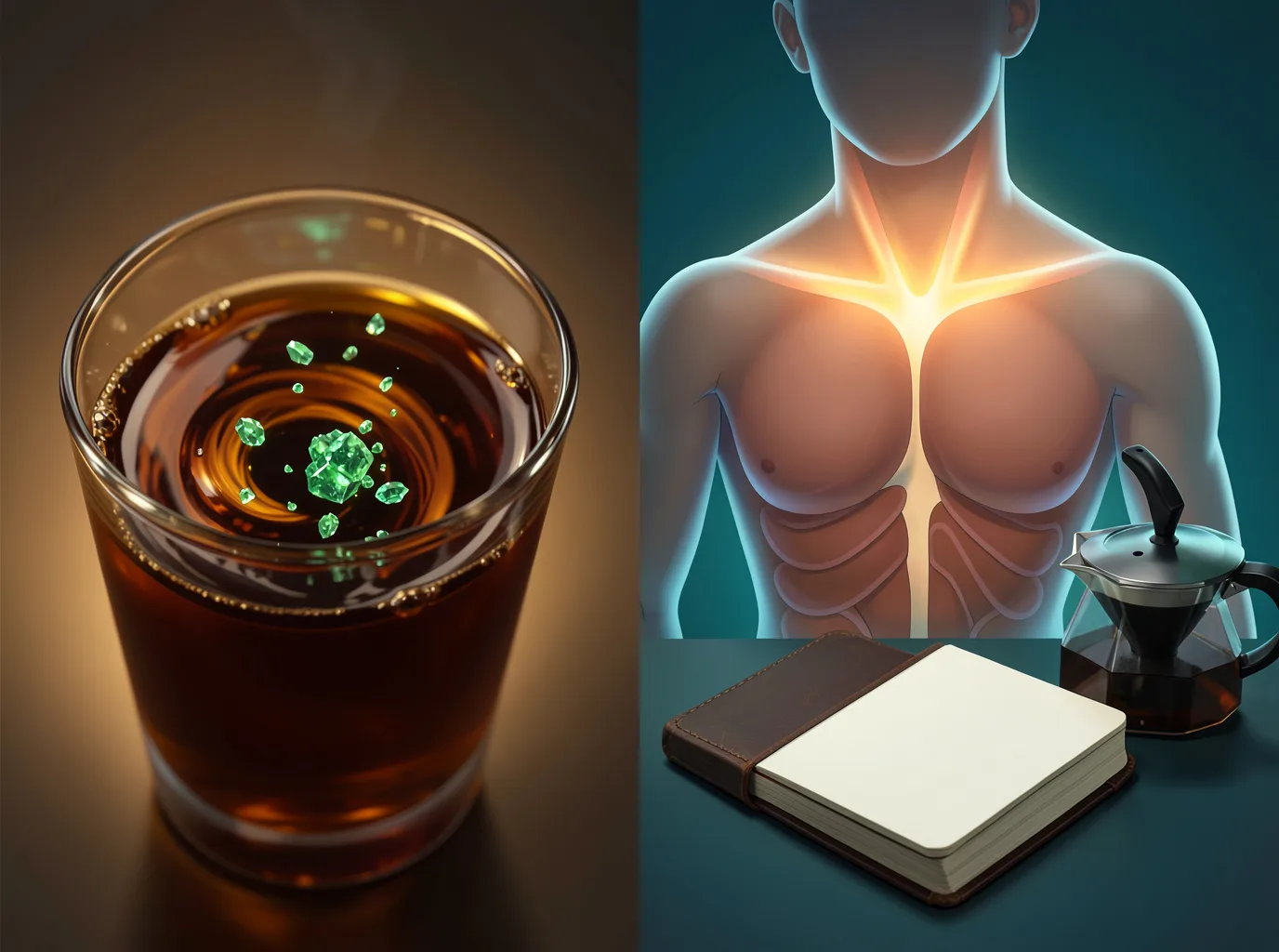
Practical steps:
- Pick a light‑roast single‑origin bean to retain more chlorogenic acid.
- Brew 30 min after breakfast, 92 °C water, 1:15 coffee‑to‑water ratio, targeting 19‑21 % extraction yield.
- Limit to 2‑3 cups daily, paired with 150 min/week moderate cardio.
- Track weight, body‑fat, sleep, and GI comfort; reduce intake if adverse signs appear.
#Quick take on the latest meta‑analyses and cohort studies
- 2020 Circulation meta‑analysis – 3 cups/day associated with 12 % lower all‑cause mortality (HR 0.88, 95 % CI 0.84‑0.92).
- 2021 Nutrients systematic review – Each additional 2 cups linked to 27 % lower liver‑cancer risk.
- 2022 BMJ pregnancy cohort – >200 mg caffeine/day raised small‑for‑gestational‑age risk by 1.4‑fold.
- 2023 JAMA Network Open cognitive cohort – Older adults drinking 2‑3 cups slowed 5‑year cognitive decline by 0.03 SD/year.
- 2024 European Journal of Preventive Cardiology meta‑analysis – Habitual 2‑4 cups showed no significant atrial‑fibrillation association (RR 1.02, 95 % CI 0.96‑1.08).
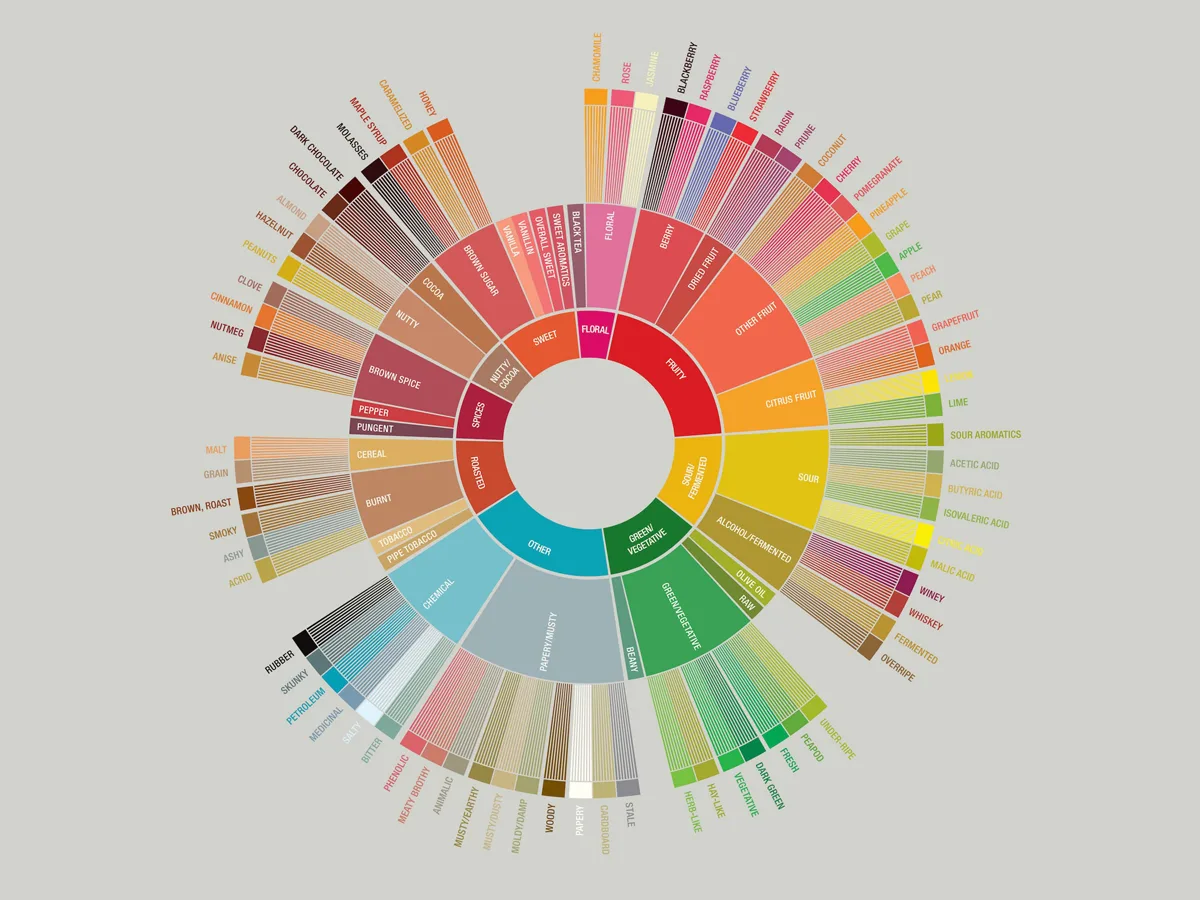
Our perspective: At CoffeeStyle we place the “flavor map” beside the “evidence map” — just as a well‑extracted Yirgacheffe balances floral aroma and bright acidity, science and aesthetics harmonize in every cup.
#Closing: Pour science into the cup, let ritual soothe anxiety
With the population‑dose‑benefit/risk matrix in hand, you can fine‑tune coffee intake like adjusting extraction yield. Next, explore CoffeeStyle’s “Origin Flavor Atlas” for a low‑caffeine Ethiopian natural, brew it with your morning pour‑over ritual, and savor your own “bitter‑then‑sweet” moment.
#FAQ
#How many cups of coffee are healthiest per day?
For healthy adults, 2‑3 cups (≈200‑300 mg caffeine) maximize benefits; beyond 4 cups the marginal gain fades and adverse effects rise.
#Does coffee cause osteoporosis?
Only post‑menopausal women drinking ≥4 cups daily show a slight bone‑density dip; adequate calcium and vitamin D offset this.
#Can pregnant women drink coffee?
Limit caffeine to ≤200 mg/day (about 1‑1.5 espresso shots); higher intake correlates with low‑birth‑weight risk.
#What is the fat‑loss mechanism of black coffee?
Caffeine stimulates brown‑fat thermogenesis, chlorogenic acid improves insulin sensitivity, caffeine briefly suppresses ghrelin, and it enhances exercise performance — together promoting fat oxidation.
#Can people with high blood pressure drink coffee?
Habitual 2‑3 cups do not raise long‑term BP; acute spikes are modest, so individual monitoring is advised.
A Cup of Coffee a Day Keeps You Happy and Healthy! Study Reveals Four Benefits for Men and Women: From Improving Sexual Function to Boosting Cognition
Nutritional Value and Health Benefits of Coffee
6 Major Benefits of Coffee: Nutritional Value, Effects & Contraindications





Comments