
Coffee Roast Levels Chart: A Visual Masterclass from Light Floral to Dark Caramel Notes
TL;DR: A coffee roast levels chart visualizes the physical expansion, Maillard reaction, and caramelization progression of green beans under 180–240°C heat. Light roasts preserve origin florals, fruit acidity, and maximum caffeine; medium roasts balance sweetness and body; dark roasts develop caramel-chocolate bitterness with relatively lower caffeine. Matching roast level to your brewer and taste preference is the key to "emotional customization" in every cup.
Legend has it that in ninth-century Ethiopia, a goatherd named Kaldi noticed his flock dancing through the night after eating red cherries on a misty highland morning; monks boiled the fruit and found they could pray until dawn. Today, when we coax white-floral citrus from Yirgacheffe, jasmine-peach from Panama Geisha, or spice-dark-chocolate from Mandheling into the cup, each tweak of the roast curve and each pour-over ratio becomes a search for the "emotional customization" that fits the moment.
#What Are Coffee Roast Levels? The "Magic" Moment from Green to Brown
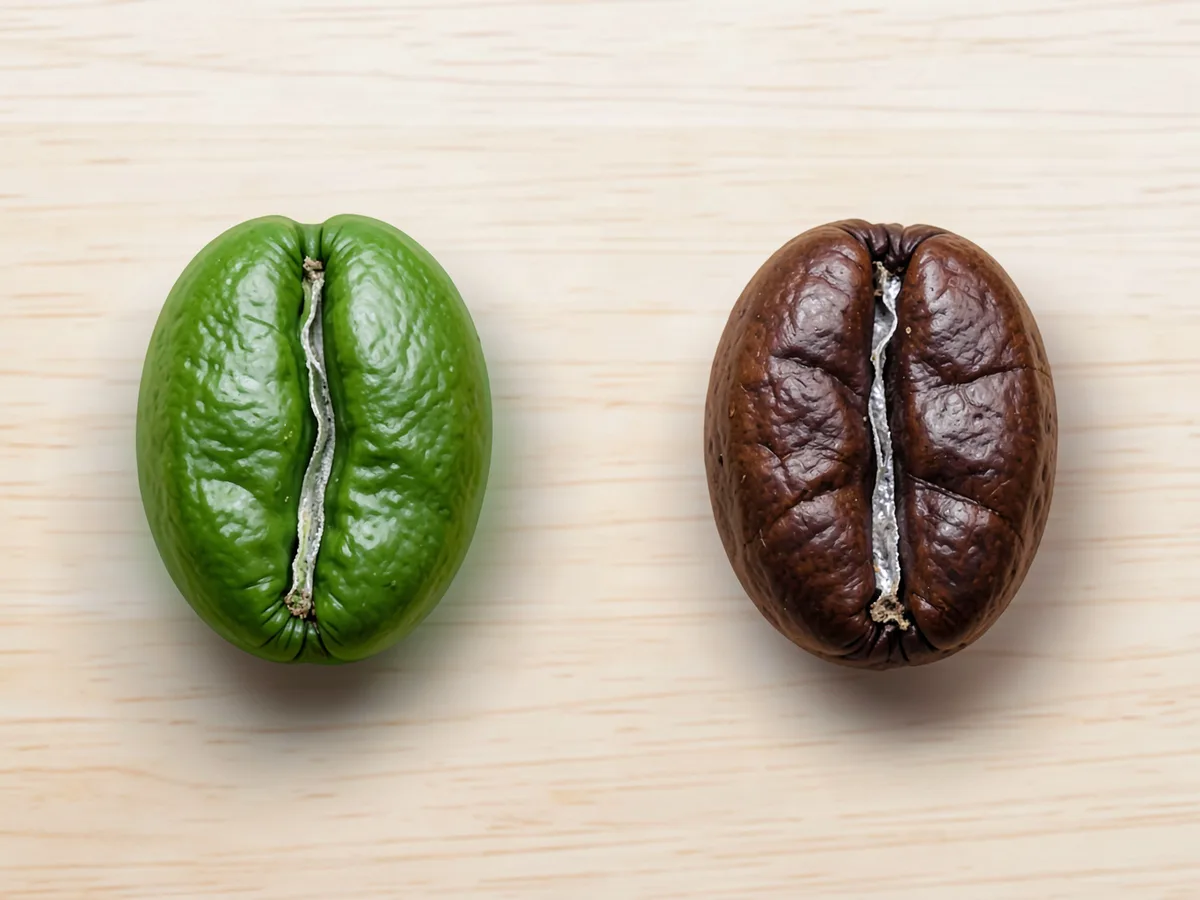
Coffee roasting drives green beans through dehydration, the Maillard reaction, caramelization, and audible cracks, turning grassy seeds into aromatic brown beans. Roast level refers to the cumulative thermal energy defined by end temperature and time, directly shaping the flavor spectrum. In the CoffeeStyle cupping lab, we anchor with Agtron values (Light 95–85, Medium 75–65, Dark 55–45), cross-verified by colorimetry and the sound of first and second crack.
Pro tip: When reading a roast curve for the first time, remember "First crack ≈ light roast endpoint, Second crack ≈ dark roast start" — the most intuitive auditory milestones.
#Light Roast: Locking in Terroir's "Floral & Fruit Symphony"
#Physical & Chemical Markers
- End temperature: 195–205°C (just after first crack, before second crack)
- Agtron value: 85–95
- Bean surface: Light cinnamon to light brown, dry, no oil
- Volume expansion: ~50–60%, highest density
#Flavor Portrait
Light roasts maximize retention of terroir-driven precursor molecules: Ethiopian Yirgacheffe's white floral citrus, Panama Geisha's jasmine peach, Kenya SL28's bright blackcurrant acidity. The Maillard reaction is nascent; caramelization hasn't deepened; chlorogenic acids remain intact, yielding transparent high acidity, high aroma, light body. Caffeine content by dry weight is highest due to minimal thermal loss.
#Brewing Recommendations
- Pour-over (V60, Kalita): 90–93°C, 1:15–1:16 ratio, captures delicate floral/fruit layers
- Siphon / Clever Dripper: Longer immersion compensates body
- Avoid: High-pressure espresso or long French press steeps, which amplify sharp acidity
#Medium Roast: The "Golden Ratio" of Balance
#Physical & Chemical Markers
- End temperature: 210–220°C (early second crack)
- Agtron value: 65–75
- Bean surface: Medium to dark brown, occasional fine oil sheen
- Volume expansion: ~80–100%, moderate density
#Flavor Portrait
Medium roast is the sweet spot where Maillard reaction and caramelization dance together: acidity rounds into caramel, nut, and milk-chocolate sweetness; body increases markedly; finish lingers. Origins like Colombia Supremo, Guatemala Antigua, and Brazil Cerrado shine here with a "balanced triangle" of acidity, sweetness, and bitterness, often scoring 84–86 on the SCA cupping form.
#Brewing Recommendations
- Pour-over / French Press / AeroPress: 92–95°C, 1:15–1:17, versatile
- Espresso blend base: Provides sweetness backbone and crema integration
- Cold brew: 12–18h room temp, clean and sweet
#Medium-Dark to Dark Roast: Caramel Chocolate "Bitterness Ends in Sweetness"
#Physical & Chemical Markers
- End temperature: 225–240°C (mid-to-late second crack)
- Agtron value: 45–55
- Bean surface: Dark brown to near-black, rich surface oils
- Volume expansion: >120%, lowest density, brittle
#Flavor Portrait
In dark roasts, caramelization completes and pyrolysis joins, shifting flavor to dark chocolate, smoke, spice, and caramel bitterness; acidity nearly vanishes; body becomes full and heavy. Caffeine drops relatively with dry-mass loss, yet single-shot caffeine is often misread as "stronger" due to high extraction efficiency. Italian blends, Vietnamese phin, and Turkish coffee typically live in this zone.
#Brewing Recommendations
- Espresso: 90–93°C, 1:2 brew ratio, 9 bar, <30s
- Moka Pot / French Press: Lower temp (88–90°C), shorter time to curb over-extraction bitterness
- Milk-base drinks: Fat coats bitterness, highlights caramel sweetness
#How Does Roast Level Affect Caffeine Content?
Common myth: "Dark roast has more/less caffeine." Scientific reality: By dry weight, light roast retains the most caffeine (~1.37%); by volume, dark roast's lower density means less caffeine per scoop. In practice, a dark-roast espresso shot (high pressure, high extraction) delivers 60–80 mg per cup, while a light-roast pour-over yields 80–100 mg. If you're caffeine-sensitive, opt for a small light-roast pour-over or dilute a dark-roast espresso with milk to manage intake.
#Which Roast Level Is Best for Espresso?
Espresso's high pressure, short time, and high extraction demand beans with: low acidity to resist channeling, high oils for crema stability, and sufficient solubles for body. Hence medium-dark to dark (Agtron 50–60) dominates mainstream blends. Recently, "light-roast espresso" has emerged, requiring finer grind, lower dose, and longer pre-infusion — a challenge in extraction evenness. Home baristas should start with medium-dark blends for consistency.
#Coffee Roast Levels Comparison Chart: One Table Reads the Full Spectrum
| Roast Level | Common Name | Agtron Value | End Temp (°C) | Bean Appearance | Core Flavor Keywords | Caffeine Retention (dry wt.) | Recommended Brew Methods |
|---|---|---|---|---|---|---|---|
| Light | Cinnamon / Light City | 90–95 | 195–200 | Light cinnamon, dry | White floral, citrus, green apple, tea-like | ~98% | Pour-over, Siphon, Cold Brew |
| Light-Medium | American / Breakfast | 80–90 | 200–205 | Light brown, dry | Honey, stone fruit, bright acidity | ~95% | Pour-over, AeroPress, Cold Brew |
| Medium | City / Regular | 70–80 | 210–215 | Medium brown, slight sheen | Caramel, nuts, milk chocolate, balanced acid-sweet | ~90% | Pour-over, French Press, Espresso blend, Cold Brew |
| Medium-Dark | Full City / Viennese | 60–70 | 218–225 | Dark brown, obvious oils | Dark chocolate, spice, caramel bitterness, full body | ~85% | Espresso, Moka Pot, Milk drinks |
| Dark | French / Italian | 45–60 | 230–240 | Near-black, oily | Smoke, char, woody, near-zero acidity | ~80% | Espresso, Turkish, Vietnamese Phin, Heavy milk drinks |
Advanced tip: The same origin bean shows massive flavor shifts across roast levels. Buy a "same-origin, different-roast" flight and cup side-by-side to build your personal flavor coordinate system.
#How to Choose a Roast Level Based on Taste Preference
- Define your flavor coordinates: Do you crave "floral fruit brightness" or "caramel chocolate body"? The former points to light-medium; the latter to medium-dark.
- Match your brewer: Pour-over/siphon → light-medium; Espresso/Moka/French press → medium-dark; Cold brew/milk drinks → full spectrum adjustable.
- Factor in caffeine sensitivity: Sensitive drinkers prefer small-cup light-roast pour-over or dark-roast espresso diluted with milk.
- Adopt a "Flavor Map" journal: Log origin, roast level, brew params, and flavor keywords per cup. In three months you'll own a personalized "emotional customization" bean-selection map.
#Closing: Roast Level Is the Key to Your "Third Place"
From Ethiopian highland morning mist florals to a Milanese corner's caramel bitterness, the coffee roast levels chart is more than a parameter table — it's a flavor spacetime map. Every roast-curve tweak, every filter-and-ratio adjustment, is a search for the "emotional customization" that fits your current state of mind. May you, with CoffeeStyle as your companion, find that personal "bitterness ends in sweetness" in every cup, whether at a noisy desk or a quiet balcony.
#FAQ
#What is the main difference between light roast and dark roast coffee?
Light roast preserves origin-driven floral/fruit acidity, has higher density and caffeine by weight, and suits pour-over for clarity. Dark roast shows caramel-chocolate-smoke bitterness, surface oils, lower density and relative caffeine, and suits espresso and milk-based drinks.
#How does roast level affect caffeine content?
By dry weight, light roast retains the most caffeine; by volume or per cup, dark roast espresso's high extraction efficiency can deliver similar caffeine to a light-roast pour-over. Actual intake depends on brew method and serving size.
#Which roast level is best for making espresso?
Mainstream blends use medium-dark to dark roasts (Agtron 50–60) for low acidity, high oils, and high solubles that ensure stable shots and crema integration. Light-roast espresso is possible but demands advanced technique for even extraction.
#How can I tell the roast level of the beans in my hand?
Observe color and surface oil (light = dry/pale, dark = oily/near-black), smell dry aroma (light = floral/fruit, dark = caramel/smoke), listen for cracks (post-first-crack = light, mid-second-crack = dark). Most precise: Agtron colorimeter.
#Does the same origin bean taste very different at different roast levels?
Absolutely. Take Yirgacheffe: light roast = white floral lemon tea; medium = honey peach nut; dark = only dark chocolate char. Side-by-side cupping across roast levels is the fastest way to build your personal flavor compass.
Want to trace how a bean travels from seed to cup? Explore our deep dive: Cold Brew Coffee Recipe: 5 Methods Compared & Golden Ratios by Roast Level. Curious about the genetic roots of flavor? Read Arabica vs Robusta Difference: A Deep-Dive Comparison from Gene to Cup.




Comments