
What Is Mocha Coffee: From Etymology to Home Brewing Guide
TL;DR: Mocha coffee originates from Yemen’s port of Mocha, where Arabica beans develop chocolate‑nut notes during sea transit; today “mocha” often means a chocolate‑syrup‑spiked espresso‑milk drink — the mocha latte.
#What Is the Etymology and History of Mocha Coffee?
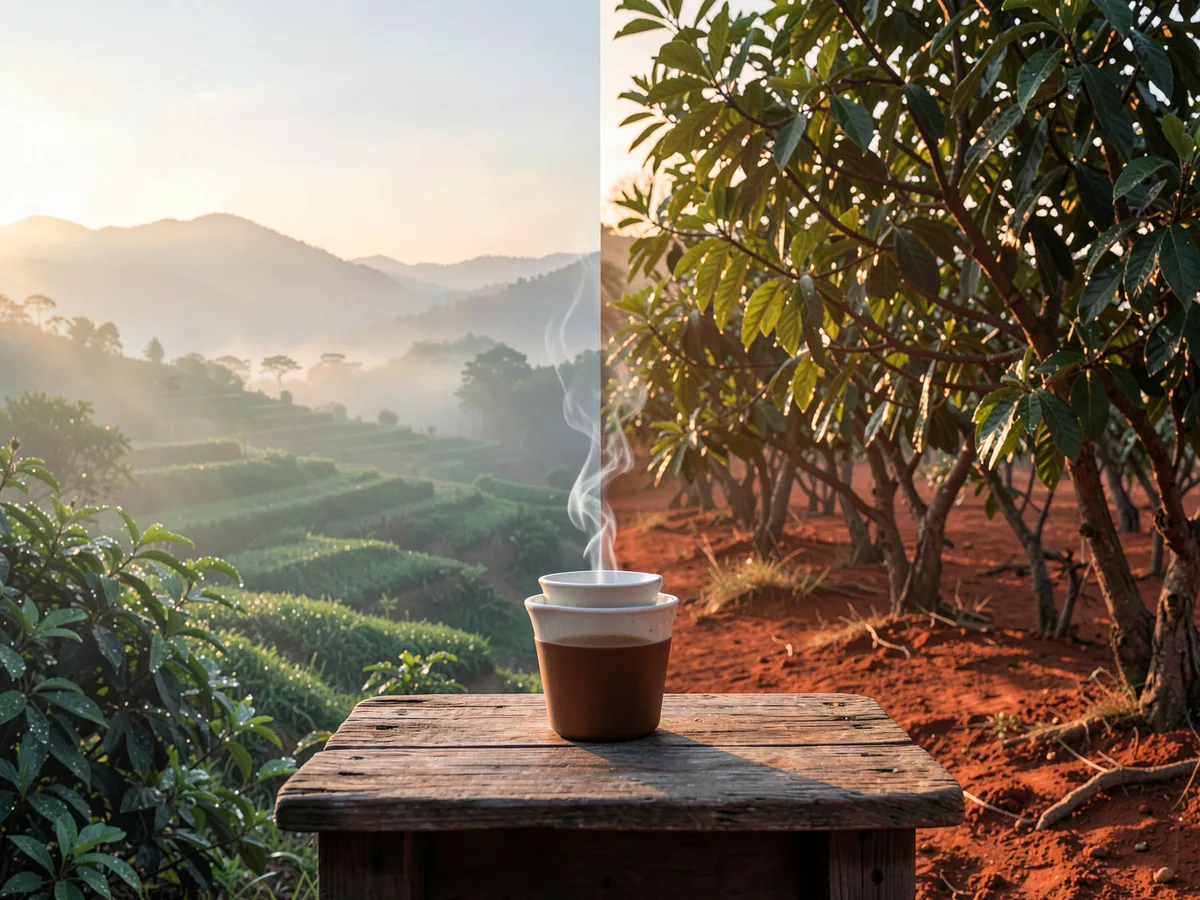
The term “mocha” first referred to the Red Sea port of Al‑Mukha (Mocha) in Yemen. From the 15th century the port shipped Arabica beans that, during long sea voyages, underwent natural fermentation in humid holds, creating a signature chocolate, wine‑like, and nutty profile. Dutch traders introduced these beans to Europe in the 1600s, cementing the association of “mocha” with chocolate flavor.
#How Does Mocha Coffee Differ from a Mocha Latte?
- Mocha coffee: single‑origin Mocha beans, dark‑roasted (Full City+ to French), brewed straight — flavors of dark chocolate, smoke, low acidity.
- Mocha latte: espresso base + chocolate syrup or cocoa powder + steamed milk, a sweetened milk‑coffee specialty.
| Aspect | Mocha Coffee | Mocha Latte |
|---|---|---|
| Base bean | Yemen/Ethiopia Mocha Arabica | Any espresso blend |
| Roast level | Dark | Medium‑dark to dark |
| Additives | None | Chocolate syrup/cocoa + milk |
| Typical taste | Dark chocolate, smoke, nuts | Sweet chocolate, creamy, light fruit acidity |
For a visual breakdown see Latte Mocha Cappuccino Calories Comparison.
#What Is the Standard Recipe Ratio for Authentic Mocha Coffee?
The industry “golden ratio” for filter brewing is 1:15–1:17 coffee‑to‑water by weight (e.g., 18 g coffee to 270–306 ml water), targeting 18–22 % extraction yield and 1.15–1.35 % TDS. For espresso, a common norm is 18 g dose → 36 ml output (1:2), then combined with milk at roughly 1:1.5 foam‑to‑liquid ratio for a mocha latte.
#How to Make Authentic Mocha Coffee at Home?
- Select beans – Yemen Mattari or Ethiopian Harar natural‑processed Mocha, roasted dark (Agtron 35–45).
- Grind – Espresso fine (~250 µm) or pour‑over medium‑fine (~500 µm).
- Extract – Espresso: 9 bar, 92 °C, 25–30 s, 36 ml yield. Pour‑over V60: 92 °C water, three‑pour method, total 2:30–3:00.
- Prepare chocolate (latte only) – whisk 15 g high‑cocoa powder with 10 ml hot water, or use 20 ml chocolate syrup.
- Steam milk – 150 ml whole milk to 60–65 °C, micro‑foam texture.
- Assemble – espresso + chocolate + milk foam, swirl gently.
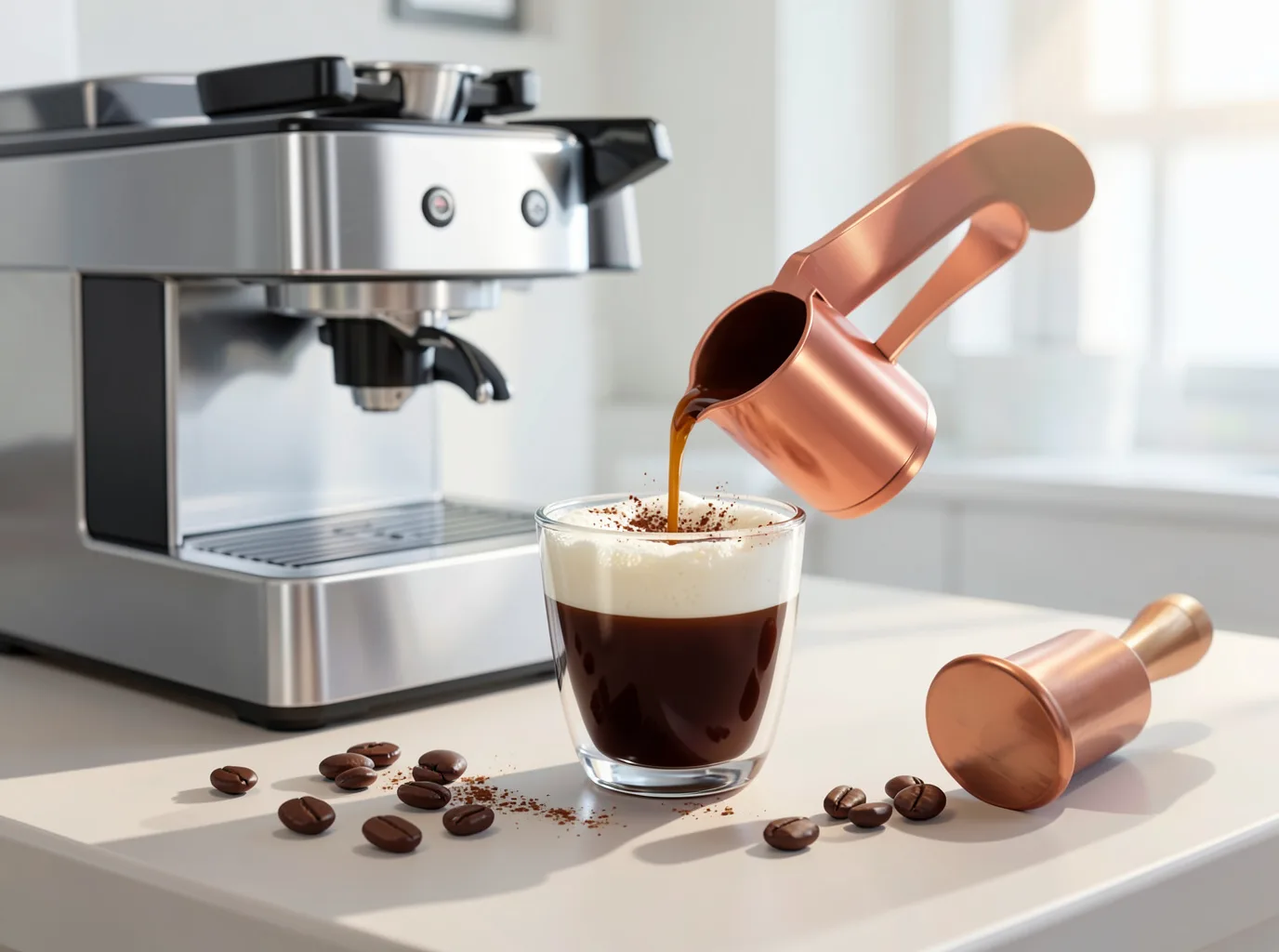
Step‑by‑step photos and tips at How to Make Mocha Coffee at Home: A Complete Step‑by‑Step Guide.
#What Foods Pair Well with Mocha Coffee?
- Dark chocolate (≥70 %) – reinforces the chocolate notes.
- Nut tart / almond biscotti – nutty aromas complement the smoke.
- Blueberry scone – bright acidity balances bitterness.
- Avoid overly sweet cream cakes or deep‑fried items that mask subtlety.
#Bean Selection & Roast: Key Variables on the Flavor Map
Mocha’s flavor map is shaped by altitude, processing, and roast curve. Yemeni Mattari (>2 000 m) natural process retains fermentative fruit acidity; Ethiopian Harar washed lots show cleaner florals. Extending the roast 30–45 s into early second crack maximizes Maillard‑driven chocolate caramelization while preserving 0.5–0.8 % residual acidity, creating the coveted “bitter‑then‑sweet” tension.
#Closing: One Cup of Mocha, a Ritual of Bitter‑Sweet Balance
From ancient dhow sails on the Red Sea to the hiss of a home steam wand, mocha links past and present. Mastering the golden ratio and honoring terroir turns a caffeine hit into a pause worth savoring. Next time you grind, close your eyes, hear the beans crack, and let the ritual become your daily seasoning.
#FAQ
#What is the origin and history of mocha coffee?
Mocha takes its name from Yemen’s port of Mocha, a 15th‑century coffee hub where Arabica beans acquired chocolate‑nut character during sea transport, later spreading to Europe via Dutch traders.
#How does mocha coffee differ from a mocha latte?
Mocha coffee is straight‑brewed dark‑roasted Mocha beans, showing bitter chocolate and smoke; a mocha latte adds chocolate syrup and steamed milk to espresso, yielding a sweet, creamy drink.
#What is the standard recipe ratio for authentic mocha coffee?
Filter: 1:15–1:17 coffee‑to‑water (18 g → 270–306 ml), 18–22 % extraction. Espresso: 18 g → 36 ml (1:2); mocha latte adds milk at ~1:1.5 foam ratio.
#What foods pair well with mocha coffee?
Dark chocolate, nut‑based pastries, and blueberry scones enhance or balance the chocolate‑smoke profile; avoid cloying or greasy items.
#How can I make authentic mocha coffee at home?
Choose Yemeni or Ethiopian dark‑roasted Mocha beans, brew via espresso or pour‑over using the ratios above, optionally blend with homemade cocoa syrup and micro‑foamed milk — full guide linked in the article.


Comments