
How to Make Mocha Coffee at Home: A Complete Step‑by‑Step Guide
TL;DR: The soul of a mocha lies in the 1:1:1 golden ratio of espresso, dark chocolate, and silky steamed milk — melt the chocolate into hot espresso, then crown it with glossy microfoam to bring the café’s “bitter‑to‑sweet” ritual into your kitchen.
#What Ingredients Do You Need for Mocha Coffee?
A classic mocha calls for three core components:
- Espresso — about 30 ml, extracted at 9 bar for 25–30 seconds, delivering rich crema and concentrated flavor.
- Chocolate syrup — 15–20 g of dark chocolate syrup (≥60 % cacao) to avoid excessive sweetness.
- Steamed milk — 150–180 ml whole milk stretched to fine microfoam at 60–65 °C.
Optional accents include a dusting of cocoa powder, a splash of vanilla syrup, or a pinch of cinnamon.
#How to Make Mocha Coffee at Home: Core Ratio & Steps
- Pre‑warm the cup — rinse with hot water to stabilize temperature.
- Melt the chocolate — pour chocolate syrup into the cup, add freshly pulled espresso, and whisk until fully emulsified.
- Texture the milk — steam milk to glossy microfoam, avoiding large bubbles.
- Combine in golden ratio — gently pour the milk so the final volume respects a 1:1:1 proportion of espresso, chocolate, and milk.
- Finish — create a simple latte‑art pattern or dust with cocoa/cinnamon for aroma.
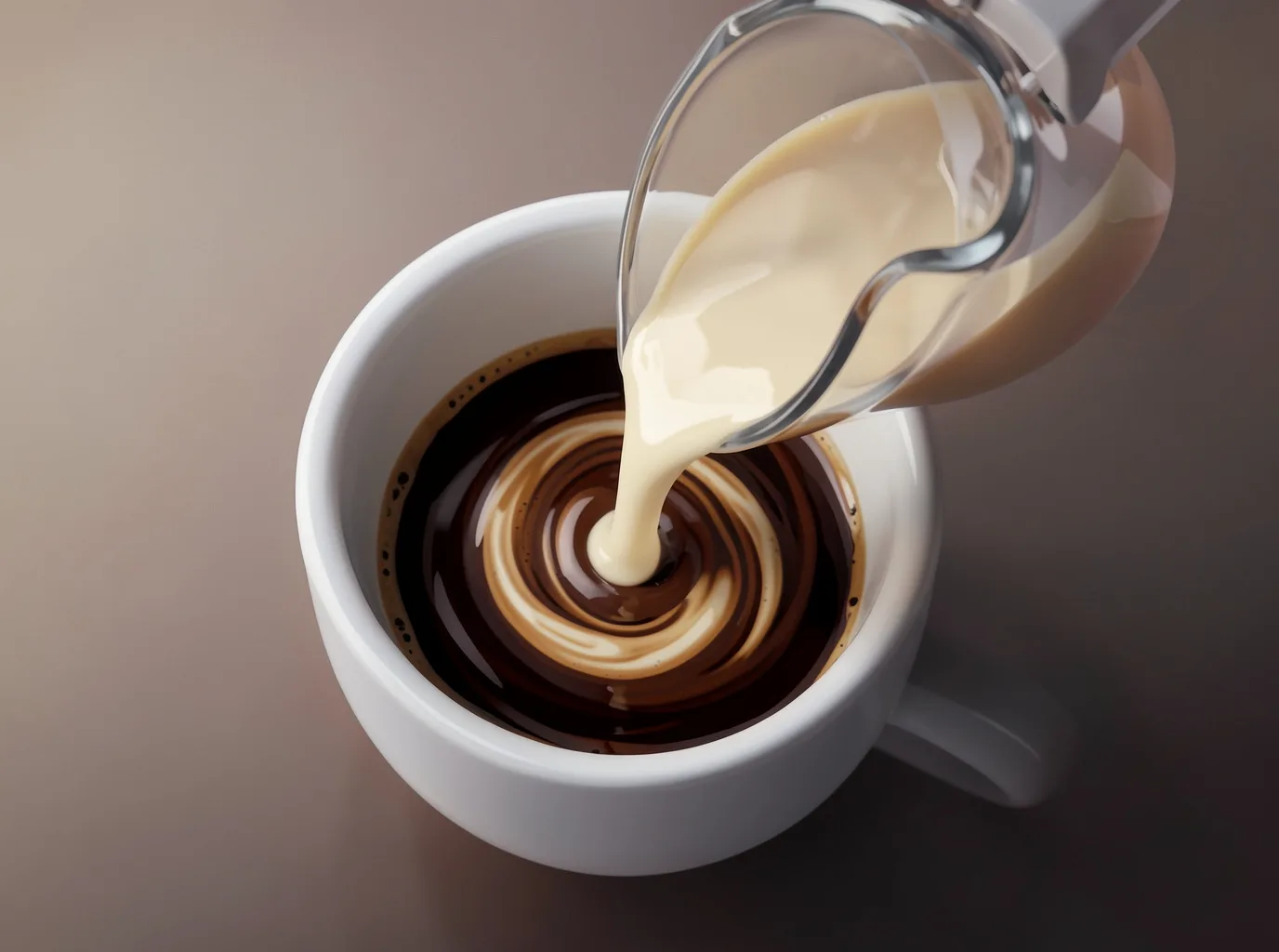
The whole ritual takes roughly two minutes; precise temperature control and thorough mixing are the keys to a balanced cup.
#How Does Mocha Differ from Mocha Latte?
| Feature | Mocha Coffee | Mocha Latte |
|---|---|---|
| Chocolate form | Chocolate syrup blended directly into espresso | Chocolate syrup added after milk |
| Milk ratio | 1:1:1 (espresso:chocolate:milk) | 1:3:1 (espresso:milk:chocolate) |
| Flavor profile | Chocolate forward, coffee intensity retained | Milk‑dominant, sweeter chocolate note |
| Typical volume | 180–210 ml | 240–300 ml |
In short, mocha coffee seeks equilibrium among coffee, chocolate, and milk, whereas mocha latte leans toward a latte’s creaminess with chocolate as an accent. For a deeper dive on classic milk‑coffee comparisons, see Latte Mocha Cappuccino Calories Comparison: Calorie & Macro Breakdown of Three Classic Milk Coffees.
#Which Coffee Beans Work Best for Mocha?
Mocha’s chocolate character pairs well with beans that exhibit caramel, nut, and cocoa notes at a medium‑dark roast:
- Single‑origin Brazil Santos — low acidity, high sweetness, chocolate‑nut profile when roasted medium‑dark.
- Single‑origin Colombia Supremo — balanced acidity and sweetness, yielding cocoa and brown‑sugar tones.
- Espresso‑blend roasts — formulated for high oil content, they support the richness of chocolate syrup.
Avoid very light, high‑acid coffees (e.g., Ethiopian naturals) as their bright fruitiness clashes with chocolate. For a beginner roadmap on selecting specialty beans, consult Specialty Coffee Beginner's Guide: 30‑Day Roadmap from Novice to Blind‑Tasting Flavors.
#How Many Calories Are in a Mocha Coffee?
Calories derive mainly from chocolate syrup and whole milk. Public café nutrition tables indicate a 350 ml mocha generally exceeds a latte of the same size; exact figures vary with syrup quantity and milk fat. To moderate intake:
- Substitute whole milk with low‑fat or oat milk.
- Reduce syrup to 10 g or use unsweetened cocoa powder.
- Opt for a smaller 180 ml serving to keep the ritual without excess.
#Closing: Bring the Café Ritual Home
Mastering the golden ratio and temperature nuances turns any kitchen into a personal third space, each sip echoing the “bitter‑to‑sweet” philosophy of coffee culture. Next, experiment by swapping espresso for a hand‑drip or cold‑brew base to explore new flavor dimensions — inspiration awaits in How to Make Vietnamese Phin Coffee: 30s Bloom, 2:30 Drip, 1:4 Condensed Milk Ratio and in the calorie‑focused guide Latte Mocha Cappuccino Calories Comparison.
#FAQ
#What ingredients do you need for mocha coffee?
Core ingredients are espresso, chocolate syrup, and steamed milk; optional garnishes include cocoa powder, vanilla syrup, or cinnamon.
#What are the steps to make mocha coffee?
Warm the cup, melt chocolate into espresso, steam milk to microfoam, pour in a 1:1:1 volume ratio, then finish with latte art or a dusting of cocoa.
#How does mocha differ from mocha latte?
Mocha blends chocolate syrup directly into espresso with equal parts milk, while mocha latte adds chocolate syrup to a larger milk volume, resulting in a creamier, sweeter drink.
#Which coffee beans work best for mocha?
Medium‑dark roasted single origins such as Brazil Santos or Colombia Supremo, or dedicated espresso blends, provide the chocolate‑nut backbone that complements the syrup.
#How many calories are in a mocha coffee?
Calories vary with syrup and milk choices; a standard 350 ml mocha is typically higher than a latte. Using low‑fat milk, less syrup, or a smaller cup can reduce the count.


Comments