Coffee History: The Top 5 Coffee Bans in History
Coffee has now become a daily beverage for work, business meetings, and more. Yet historically, coffee was once regarded as the embodiment of the devil. Let’s take a look at five major coffee bans in history.

Mecca (Saudi Arabia)
In 1511, the ruler of Mecca banned coffee consumption. Authorities believed drinking coffee would provoke extreme behavior, cause idleness, and even make people more rebellious. Local traditional sects also opposed coffee because members of the Islamic Sufi order drank it before prayers, which they claimed prevented concentration and was seen as a sacrilege against the divine.Italy
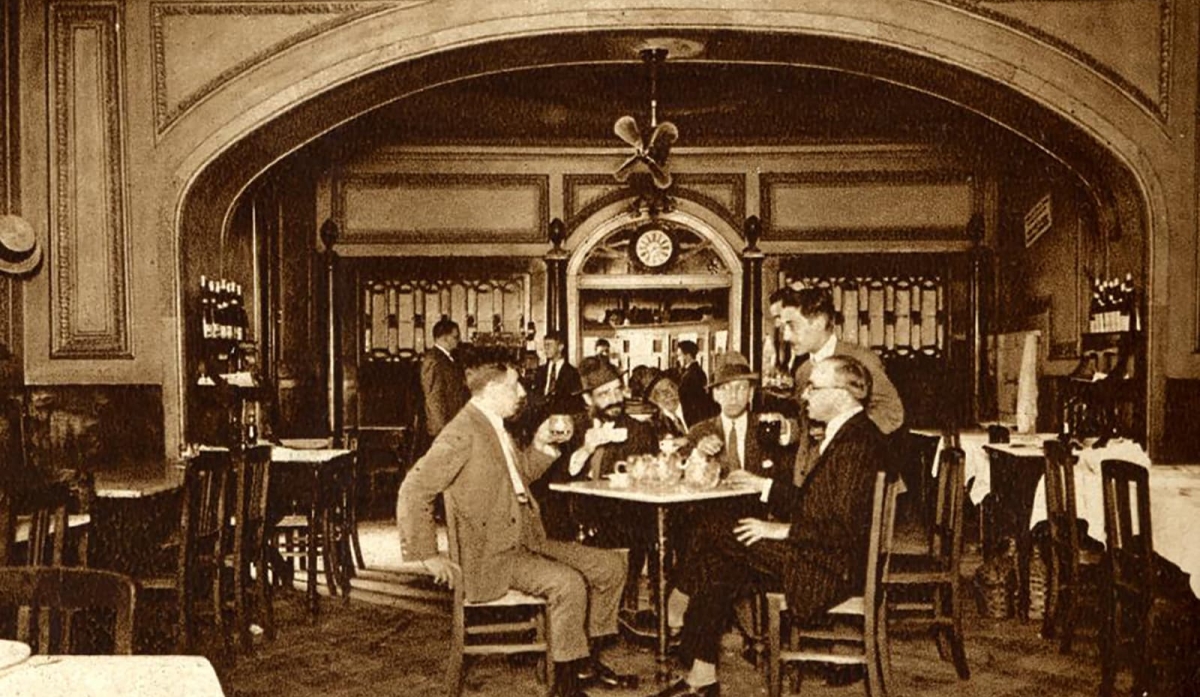
Coffee entered Europe in the 16th century, but many countries prohibited this foreign drink, considering it a “devil’s beverage.” It wasn’t until Pope Clement VIII personally tasted coffee and declared it a holy drink that coffee houses truly flourished across Europe.Constantinople (Ottoman Empire)
In 1623, Murad IV ascended the throne of the Ottoman Empire. Shortly after his coronation he issued a law forbidding coffee consumption and prescribing punishment for violators. First‑time offenders were whipped; repeat offenders were sewn into a leather sack and thrown into the Bosphorus.Sweden
In 1746 the Swedish government explicitly prohibited residents from drinking coffee and from possessing any coffee‑related utensils, including cups and saucers. King Gustav III even ordered physicians to experiment on condemned prisoners with coffee to determine how much would cause instant death — a torture, frankly, more for the doctors than for the prisoners.Persian Empire
In 1777 the Persian ruler Frederick proclaimed that drinking beer was preferable to drinking coffee. He argued that excessive coffee consumption hurt beer sales in the empire. He urged his subjects to start each morning with a beer, declaring, “Your monarch was raised on beer!” and using this slogan to encourage daily morning beer drinking.