
Difference Between Latte and Cappuccino: Foam Thickness, Flavor Radar & Calorie Calculator
TL;DR: A latte carries ~0.5‑1 cm micro‑foam and a 1:3 espresso‑to‑milk ratio, while a cappuccino sports 1‑1.5 cm thick foam and a 1:1 ratio, giving the cappuccino a stronger coffee punch and slightly fewer calories.
Legend tells of Kaldi, a 9th‑century Ethiopian goatherd whose flock danced after eating red coffee cherries; monks brewed the beans and stayed awake through the night, and the story of coffee began in that misty dawn. The conversation between latte and cappuccino is simply the latest chapter of that ancient dialogue.
#What is the difference between latte and cappuccino?
#Foam thickness cross‑section (mm)
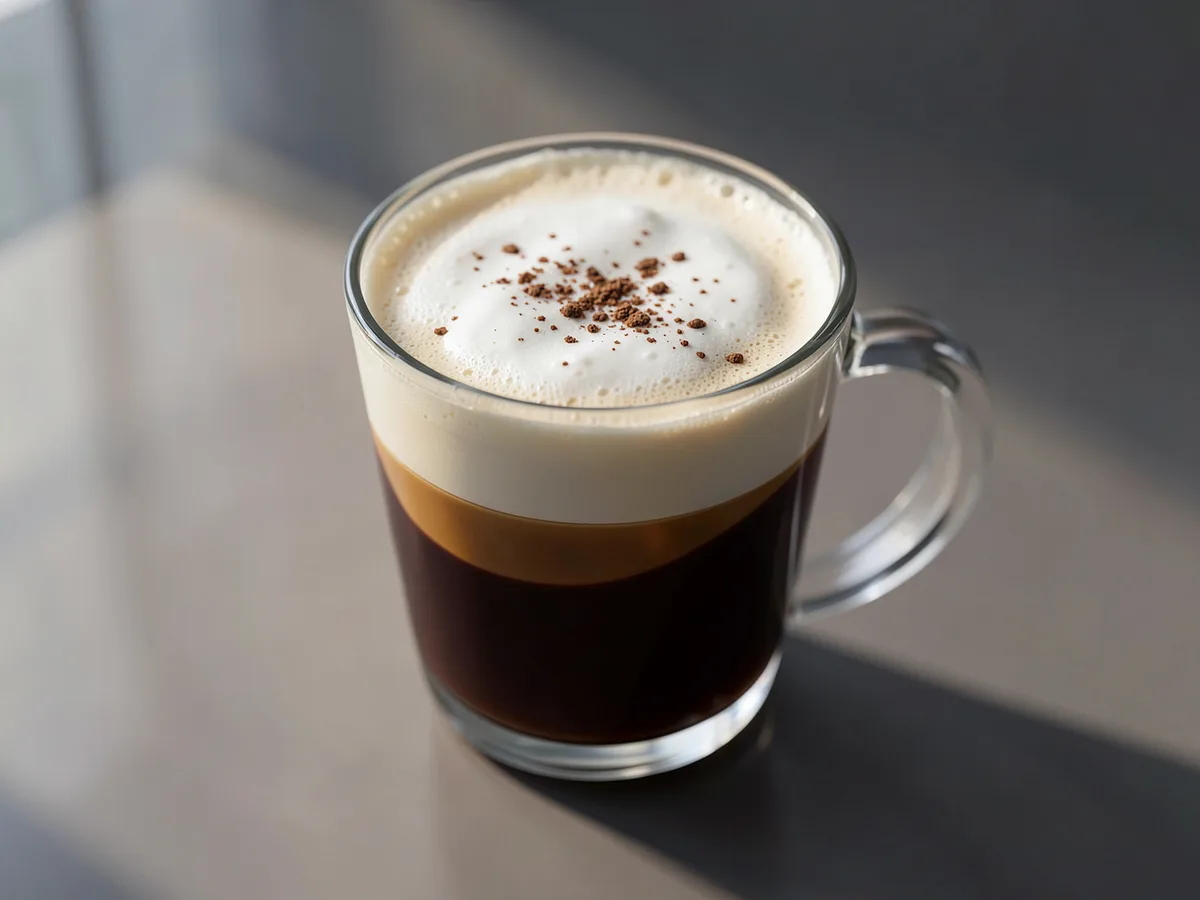
A latte’s foam is a whisper‑thin veil, about 0.5‑1 cm, blending into the milk for a silky mouthfeel. A cappuccino’s foam rises like a cloud, 1‑1.5 cm tall, with enough structure to hold latte art. A side‑by‑side cup wall diagram shows the step‑like contrast at a glance.

#Milk‑to‑espresso golden ratios
- Latte: single shot (~30 ml) + steamed milk 90 ml + thin foam → roughly 1:3.
- Cappuccino: single shot (~30 ml) + steamed milk 30 ml + foam 30 ml → roughly 1:1:1.
The ratio shift directly rebalances “milkiness” versus “coffee intensity.”
#Flavor radar: bitterness, sweetness, acidity, body, aroma
A five‑axis radar visualizes the sensory gap:
- Bitterness: cappuccino > latte
- Sweetness: latte > cappuccino (more lactose)
- Acidity: similar, dictated by bean roast
- Body: cappuccino feels fuller thanks to foam support
- Aroma release: cappuccino’s foam traps volatiles, boosting top notes
#Calorie calculator: the numbers side by side
Using 240 ml whole milk as a baseline:
| Drink | Milk volume | Foam volume | Approx. calories (kcal) |
|---|---|---|---|
| Latte | 180 ml | 30 ml | 190‑210 |
| Cappuccino | 90 ml | 90 ml | 120‑140 |
| Cappuccino saves roughly 30‑40 % calories because total milk is halved. Switching to oat or skim milk drops another 15‑20 %. |
#Making both without an espresso machine
- Espresso substitute: brew 30 ml strong coffee with a moka pot or portable espresso maker.
- Foam creation: pump a French press 30 seconds for micro‑foam, or whisk/hand‑frother 60 seconds for thick foam; keep temperature 60‑65 °C.
- Assemble: pour espresso, then milk, then foam following the ratios above; swirl gently to integrate.
#Takeaway & next step
A latte feels like a gentle afternoon — milk smoothing every coffee nuance. A cappuccino feels like sunrise — foam lifting bold caramel‑bitter notes. With foam thickness, golden ratios, and calorie data in hand, you can order confidently or recreate café quality at home. Next, explore these resources for a broader coffee map:
- What Types of Coffee Are There? A Guide to 10 Common Coffee Types and Their Golden Ratios
- Latte Mocha Cappuccino Calories Comparison: Calorie & Macro Breakdown of Three Classic Milk Coffees
- How to Make Mocha Coffee at Home: A Complete Step‑by‑Step Guide
- Classic Coffee Drink Recipes Ratios: Espresso Base, Milk & Flavor Layering Blueprint
#FAQ
#Which has more foam, latte or cappuccino?
Cappuccino’s foam layer is about 1‑1.5 cm thick, noticeably more than a latte’s 0.5‑1 cm micro‑foam.
#What’s the milk ratio difference?
Latte uses roughly a 1:3 espresso‑to‑milk ratio; cappuccino uses a 1:1:1 split among espresso, steamed milk, and foam.
#Which is stronger in coffee flavor?
Cappuccino delivers a stronger coffee taste because less milk dilutes the espresso and the thick foam preserves aromatics.
#Calories difference between latte and cappuccino?
With whole milk, a 240 ml latte runs ~190‑210 kcal versus ~120‑140 kcal for a cappuccino — a 30‑40 % reduction.
#Can I make both without an espresso machine?
Yes. Use a moka pot or portable brewer for concentrated coffee, and a French press, hand frother, or vigorous shaking to create the required foam, then combine using the ratios above.

Comments