
How to Make Cold Brew at Home: Golden Ratios, 3 Gear Comparisons & Pitfall Guide
TL;DR: The core of homemade cold brew is a 1:10–1:15 coffee-to-water ratio (by weight), coarse grind (like sea salt), and 12–18 hours in the fridge; French press, mason jar, and dedicated cold brew makers each have trade-offs — pick by convenience and clarity preference.
#What Is Cold Brew Coffee and Why Does It Deserve Your Patience
Cold brew is not merely “iced coffee.” It replaces hot water with room-temperature or cold water and time — typically 12–18 hours of immersion. Without 93 °C water, tannins and chlorogenic acids stay locked in the grounds, preserving the bean’s original floral and fruit notes while delivering a round, low-acid, naturally sweet cup. As CoffeeStyle often says: “Time is the best seasoning; cold brew makes ‘bitter-then-sweet’ tangible.”
Related reading: Cold Brew Coffee Recipe: 5 Methods Compared & Golden Ratios by Roast Level
#Golden Ratio Cheat Sheet: Adjust by Roast Level & Taste
| Roast Level | Coffee:Water (Weight) | Steep Time | Best For | Expected Flavor Keywords |
|---|---|---|---|---|
| Light | 1:12 – 1:14 | 14–18 h | Bright acidity, tea-like body | Citrus, jasmine, green apple |
| Medium | 1:11 – 1:13 | 12–16 h | Balanced sweetness, nut/chocolate | Caramel, hazelnut, brown sugar |
| Dark | 1:10 – 1:12 | 10–14 h | Heavy body, low acid, drink straight | Dark chocolate, red wine, spice |
| Universal Safe Ratio | 1:12 | 14 h | Beginners / no tweaking | Balanced, sessionable |
Pro tip: Dilute concentrate at 1:1–1:2 (concentrate:water/milk/ice); melting ice already counts as dilution.
#Grind Size: Why “Coarse Like Sea Salt” Is Non-Negotiable
Cold brew is an immersion method — long contact, low temperature. Too fine a grind (espresso powder) causes:
- Over-extraction → harsh astringency, off-flavors
- Clogged filtration → cloudy brew, slow drain
- No agitation benefit → unlike pour-over, there’s no flow to even extraction
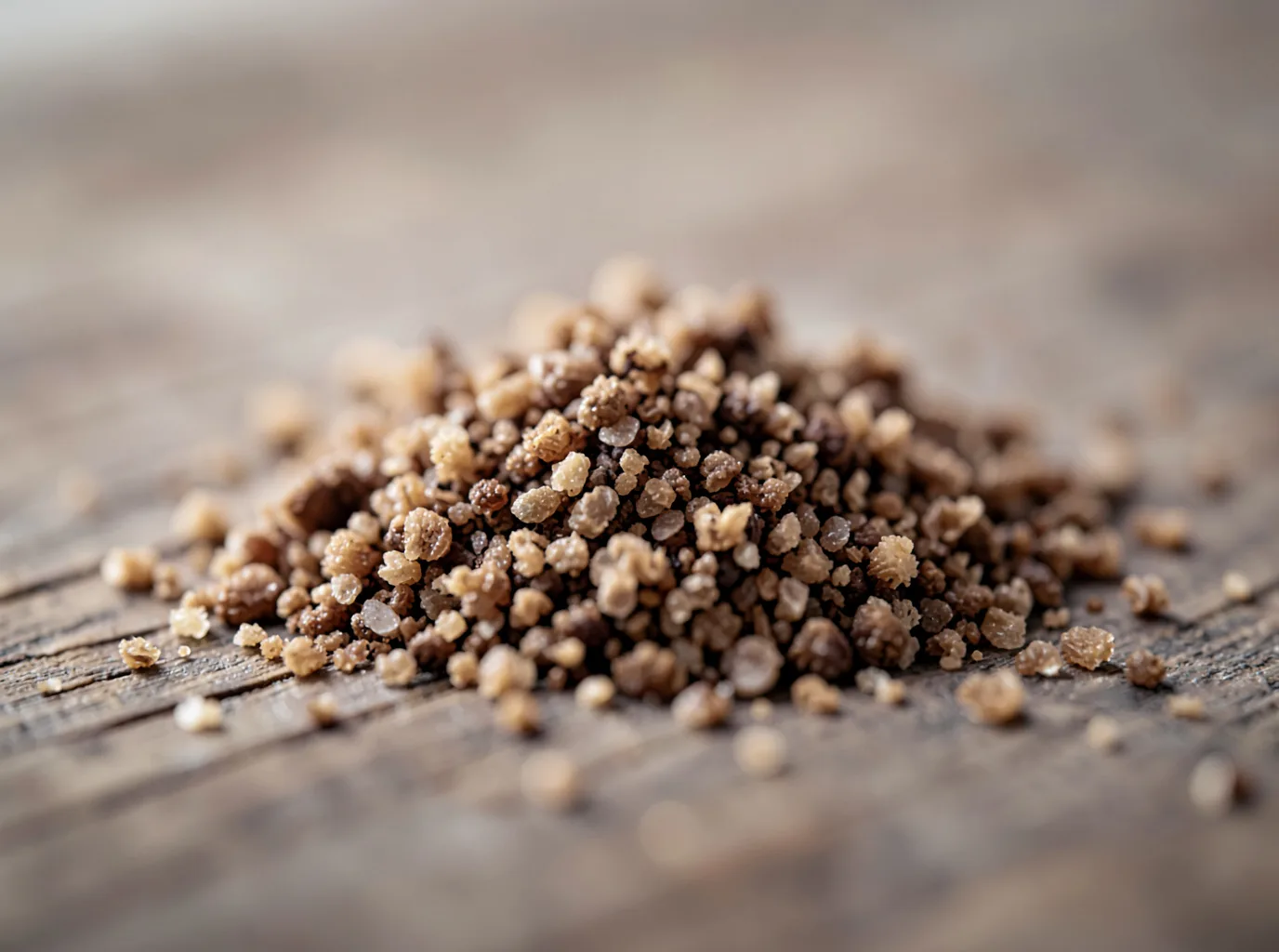
Reference feel: Rub grounds between fingers — they should feel like coarse sea salt or panko breadcrumbs, roughly 800–1000 μm. If you only have an all-in-one grinder, set it to the coarsest notch; a stepped hand grinder (e.g., Comandante C40 at 30–35 clicks) gives better uniformity.
#Three Gear Comparison: French Press vs. Mason Jar vs. Dedicated Brewer
| Aspect | French Press | Mason Jar + Paper/Cloth Filter | Dedicated Cold Brewer (Hario/Toddy) |
|---|---|---|---|
| Entry Cost | Medium ($20–40) | Low ($5–15) | Medium-High ($30–80) |
| Workflow | Add coffee → water → lid → plunge | Add coffee → water → lid → pour through filter | Add coffee → water → lid → open valve/lift basket |
| Filtration Clarity | ★★★☆☆ (some fines) | ★★★★☆ (paper = cleanest) | ★★★★★ (dedicated mesh/paper) |
| Cleanup Ease | ★★★☆☆ (disassemble plunger) | ★★★★★ (wide mouth) | ★★★☆☆ (more parts) |
| Cup Character | Rich, slight haze | Clean, tea-like | Very clean, distinct layers |
| Best Scenario | Already own one, occasional use | First try, tight budget | Frequent drinker, wants consistency |
Pitfall alert: Choose a wide-mouth, straight-wall, graduated heat-proof glass jar — narrow necks splash when pouring. Plunge the French press slow and steady (20–30 s); a fast plunge kicks fines into the upper liquid.
#Step-by-Step Tutorial (French Press Example — Works for All Three)
#Step 1: Prep Ingredients & Gear
- 60 g single-origin beans (light-medium roast recommended for clearer flavor map)
- 720 g room-temp filtered/spring water (1:12 ratio)
- Grinder, 0.1 g scale, timer
#Step 2: Grind & Dose
- Grind to coarse sea salt texture
- Dose into French press, gentle shake to level — do not tamp
#Step 3: Pour & Stir
- Pour 720 g water in two circular passes to fully saturate
- Cross-stir 10 times with a long spoon to break clumps
- Place lid without plunging, refrigerate
#Step 4: Steep
- 12–18 hours (adjust per roast table above)
- No mid-steep agitation needed
#Step 5: Filter & Bottle
- Press plunger slowly to bottom (20–30 s)
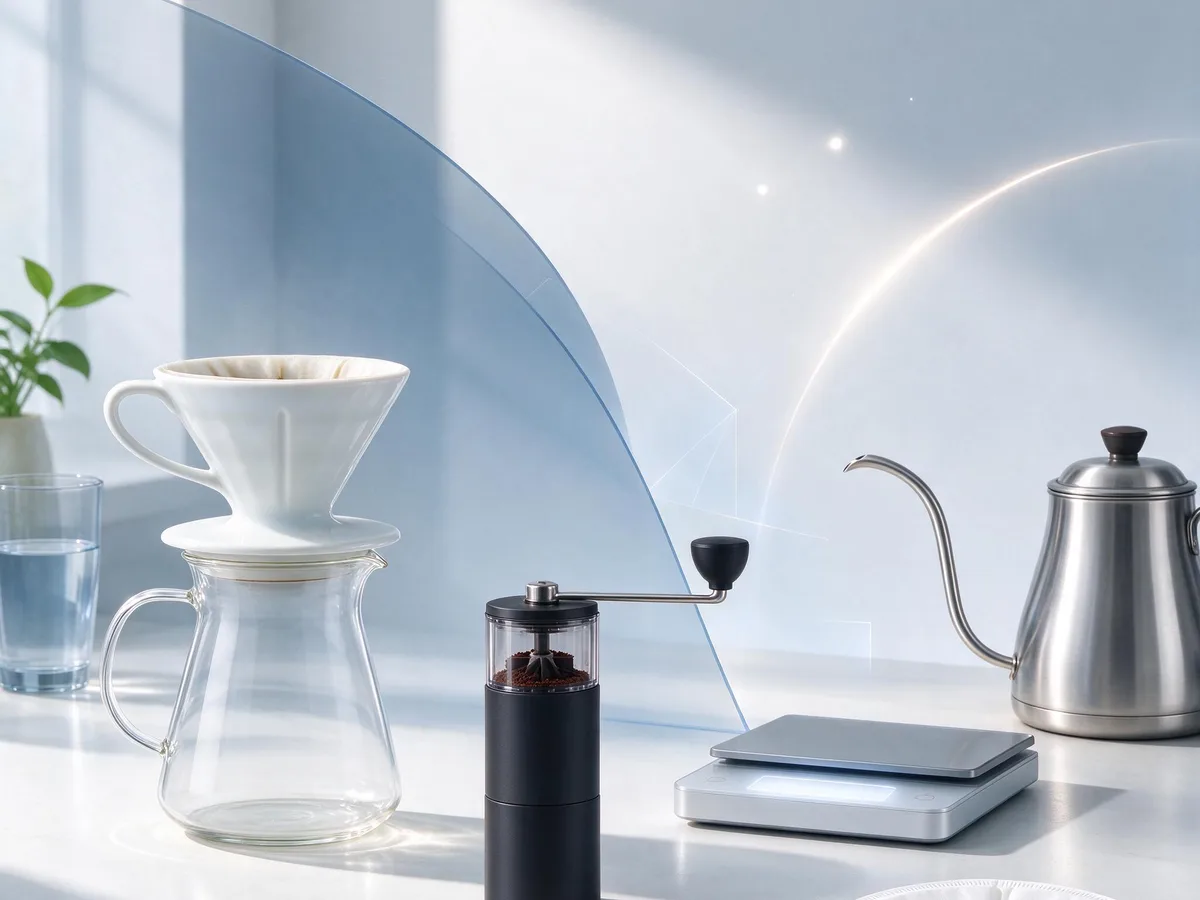
- Immediately decant into clean jar; secondary filter through V60 paper for ultimate clarity (30 s)
- Label with date, refrigerate
#Pitfall Guide: 5 Traps Beginners Hit
- Using espresso-fine or supermarket pre-ground → guaranteed astringency & haze; grind fresh & coarse
- Straight tap water → chlorine/minerals distort flavor; use filtered or 50–150 ppm TDS spring water
- Counter-top steep > 24 h → microbial risk + fermented sourness; over 18 h → fridge
- Skipping secondary filtration → fines = gritty mouthfeel; a V60 paper rinse fixes it in 30 s
- Fixed dilution ratio → ice melt, milk type vary; taste and tweak per serve
#Storage & Shelf Life: Drink with Confidence
- Concentrate: Sealed, refrigerated 5–7 days, peak first 3 days
- Ready-to-drink (diluted): Consume within 24 h; discard if > 2 h at room temp
- Freeze concentrate cubes: Pour into ice trays, freeze — 1 month with <10 % flavor loss
Health note: Cold brew often has higher caffeine per volume than hot brew. Caffeine-sensitive drinkers dilute 1:2 or choose decaf beans.
#Printable Brew Log: Turn Every Batch into a Replicable Recipe
| Date | Bean/Origin/Process | Roast | Coffee (g) | Water (g) | Ratio | Grind Setting | Steep Time/Temp | Gear | Dilution | Flavor Notes (Acid/Sweet/Bitter/Body/Aroma) | Score |
|---|---|---|---|---|---|---|---|---|---|---|---|
Right-click → save as image → print A5 → stick on your coffee bar. Start your “mood-customized” cold brew experiments.
#Closing: One Cold Brew, One Slow-Life Ritual
From weighing 60 g of beans to lifting the lid 14 hours later into a wave of aroma, cold brew turns “waiting” into flavor. It doesn’t rush, yet in the fridge’s quiet it completes the gentlest extraction. CoffeeStyle believes every precise ratio and patient steep is a vote for your personal aesthetics. Next time, try How to Make Mocha Coffee at Home: A Complete Step‑by‑Step Guide and let chocolate and coffee dance in the cup.
#FAQ
#What is the best coffee-to-water ratio for cold brew?
The universal safe ratio is 1:12 (coffee:water by weight). Light roasts can stretch to 1:14, dark roasts tighten to 1:10. Dilute the concentrate at 1:1–1:2 when serving.
#How long should I steep cold brew in the fridge?
12–18 hours. Light roasts lean longer (16–18 h), dark roasts shorter (10–14 h). Beyond 24 hours risks fermented off-flavors.
#What grind size works best for cold brew?
Coarse — like sea salt or panko (800–1000 μm). Finer grinds cause over-extraction and filtration headaches.
#Can I use regular ground coffee for cold brew?
Supermarket pre-ground is usually medium-fine — not recommended. If you lack a grinder, buy whole beans and ask the roaster to grind for cold brew.
#How long does homemade cold brew last in the fridge?
Concentrate keeps 5–7 days sealed (best in first 3 days). Diluted drink: 24 hours. Frozen concentrate cubes: 1 month with minimal flavor loss.

Comments