
Freeze Dried Coffee Buying Guide: From Process Principles to Smart Selection
TL;DR: Freeze-dried coffee locks in flavor via low-temperature vacuum sublimation. Buy single-origin Arabica, light-to-medium roast, clearly labeled "freeze-dried," in individual sachets. Brew at 90–93°C with a 1:15 ratio, or cold brew 12 hours at 4°C for a silky, sweet cup at minimal cost.
#What Is the Difference Between Freeze-Dried and Regular Instant Coffee?
Process dictates the flavor ceiling
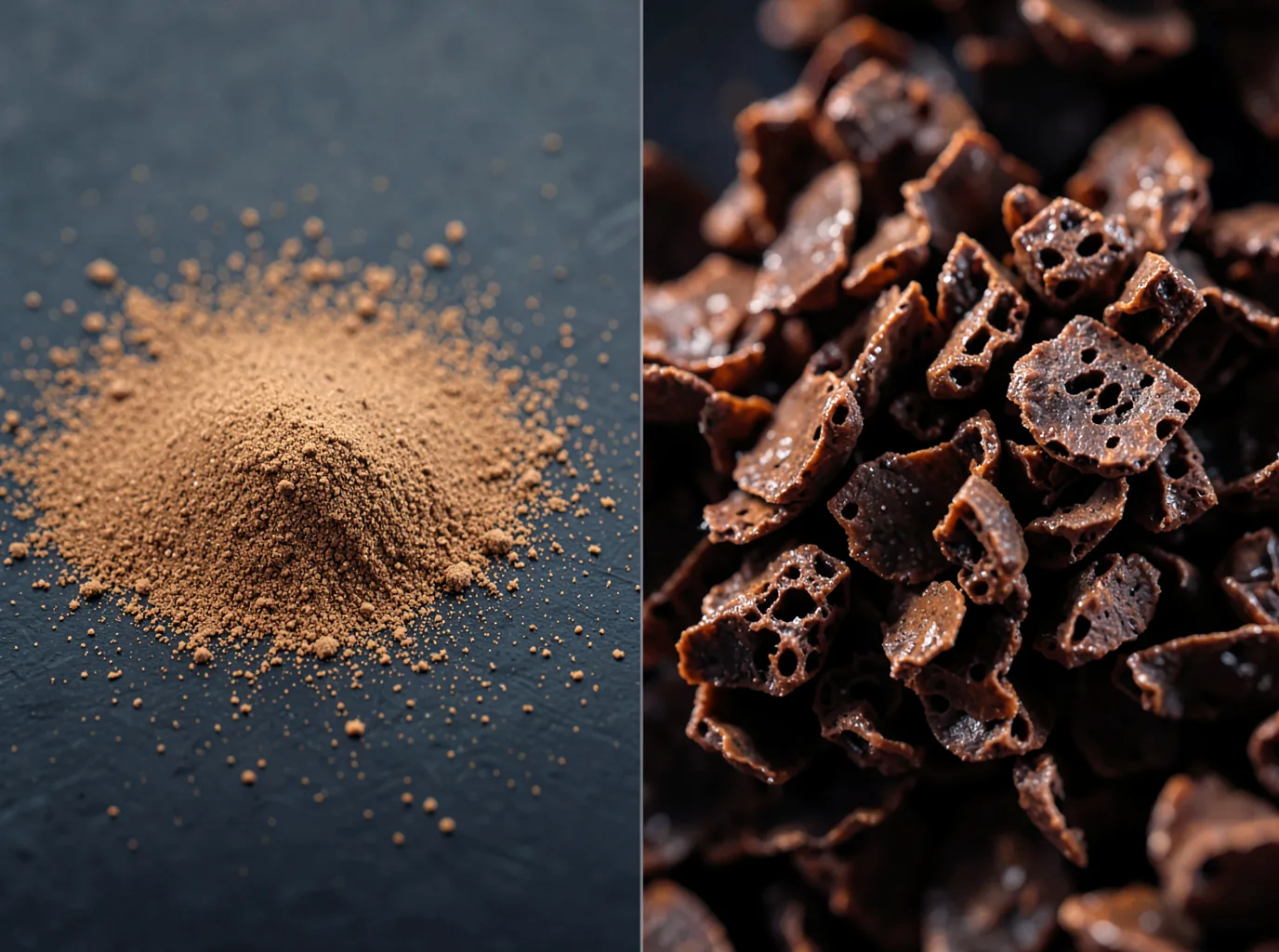
Regular instant coffee typically uses spray drying: hot air (180–250°C) instantly evaporates water, stripping volatile aromatics and leaving a harsh, burnt bitterness. Freeze drying freezes the coffee extract to -40°C or below, then sublimates ice directly to vapor under vacuum, preserving 80–90% of the original aroma and acidity.
| Dimension | Spray Drying | Freeze Drying |
|---|---|---|
| Drying temperature | 180–250°C | -40°C vacuum sublimation |
| Aroma retention | 30–40% | 80–90% |
| Particle form | Fine powder / hollow spheres | Porous irregular flakes |
| Rehydration speed | Instant | Slower (needs stirring) |
| Typical flavor | Burnt, flat | Layered, sweet finish |
Quick identification tip: Pour hot water over the granules. Freeze-dried flakes expand like a sponge, releasing a fragrant cloud; spray-dried powder vanishes instantly, leaving only a thin oil film.
#How Do You Choose a Good-Tasting Freeze-Dried Coffee?
#1. Verify bean species and origin transparency
Quality freeze-dried coffee always states single origin and 100% Arabica. Vague phrasing like "premium coffee beans" usually signals a Robusta blend. Look for origins such as:
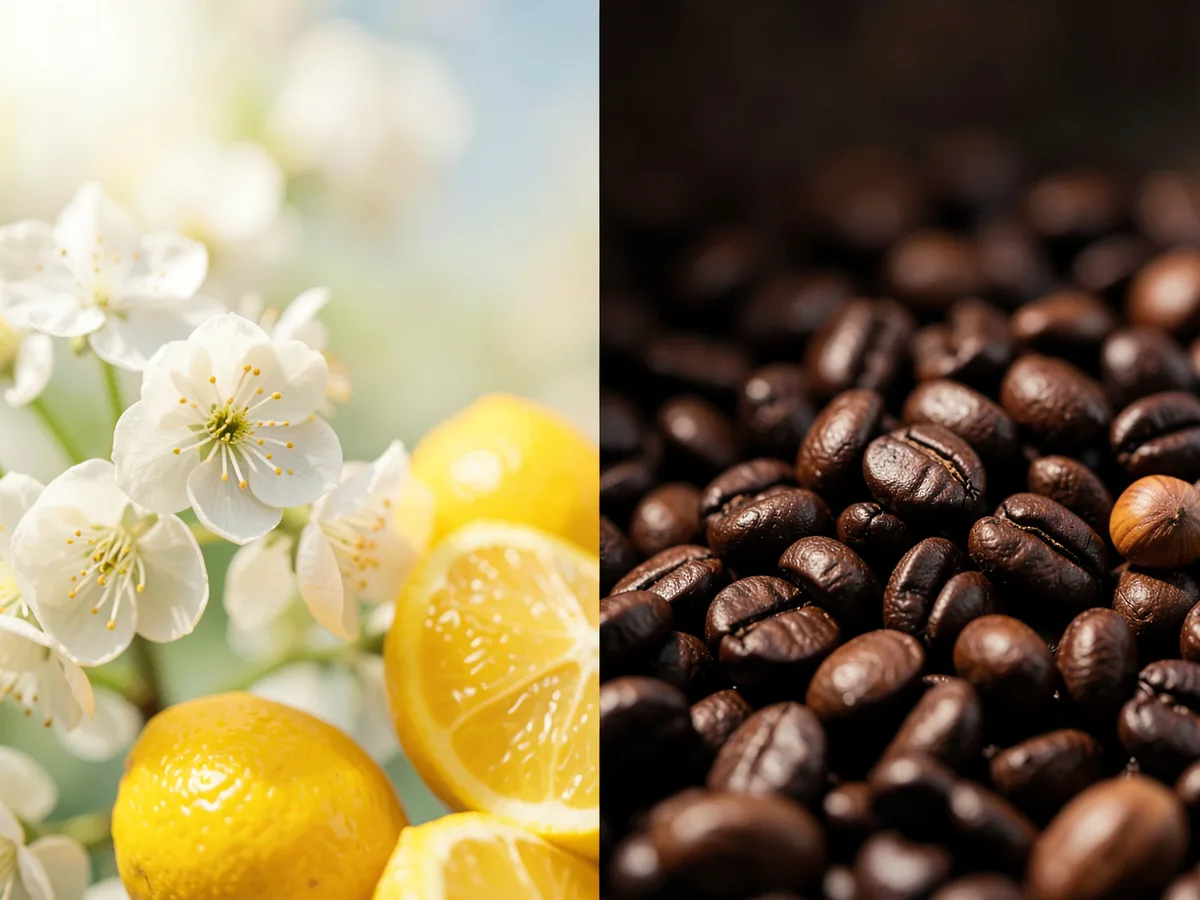
- Ethiopia Yirgacheffe / Sidamo (floral, citrus)
- Colombia Huila / Nariño (nutty, cocoa, balanced sweetness)
- Brazil Cerrado / Minas Gerais (nut, chocolate, low acidity)
- Panama Geisha / Guatemala Antigua (high-end floral-fruit acidity)
#2. Check roast level and processing method
- Light / light-medium roast: preserves terroir, bright acidity, best black.
- Medium-dark / dark roast: heavy body, caramel-chocolate notes, ideal for milk drinks.
- Natural / honey process: fermented, winey fruitiness; washed: clean, tea-like clarity.
#3. Confirm "freeze-dried" labeling and individual packaging
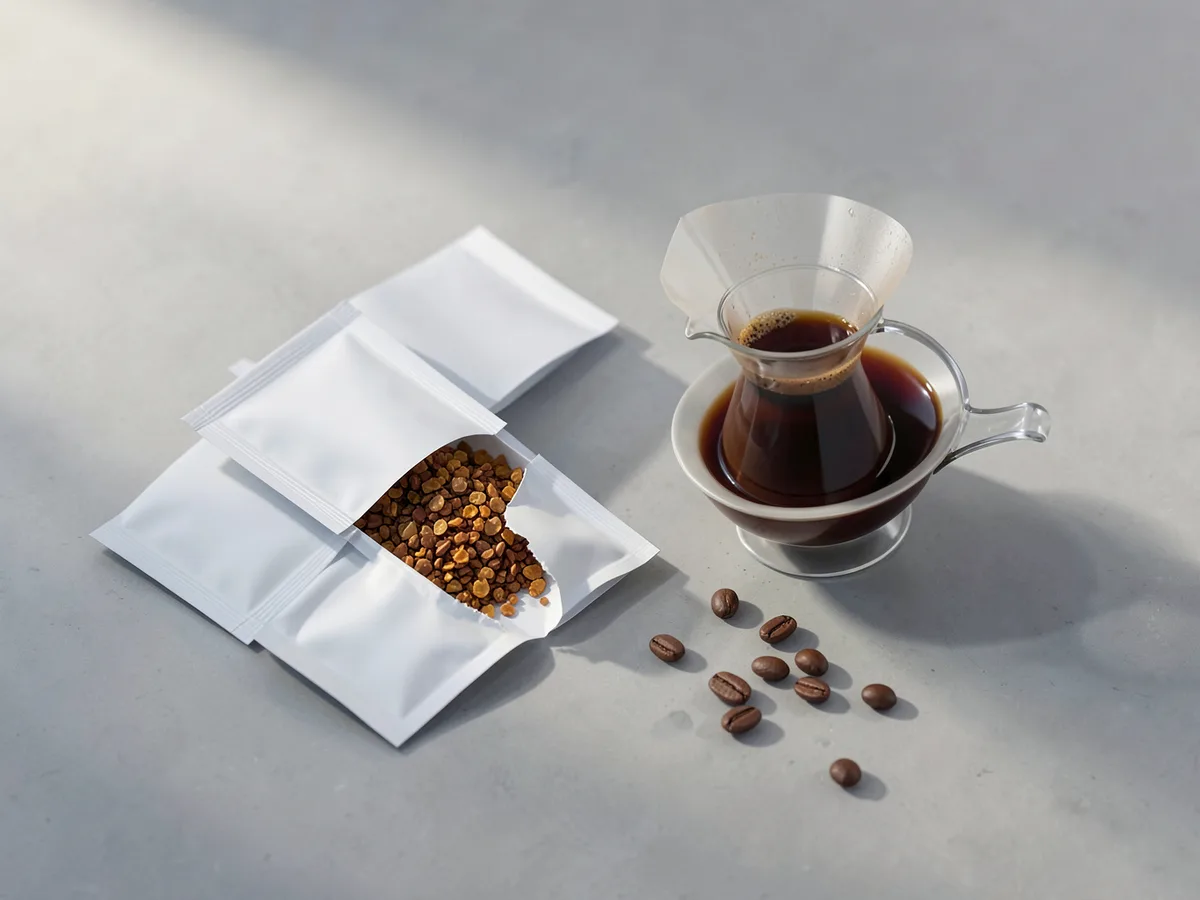
The front panel must read "Freeze Dried," "FD," or "冻干." Individual sachets (1.5–2.5 g each) protect against moisture and oxidation; bulk jars degrade faster with every opening.
#4. Read the ingredient list: zero additives is the baseline
Ingredients should list only "coffee beans" or "coffee extract." Reject non-dairy creamer, sugar, artificial flavor, anti-caking agents, potassium carbonate, etc.
#What Water Temperature and Ratio Work Best for Freeze-Dried Coffee?
#Golden ratio: 1:15 coffee-to-water, 90–93°C
- Dose: one 2 g sachet
- Water: 30 ml concentrate base + 270 ml hot water (Americano) or 200 ml hot milk (latte)
- Temperature: light roast 93°C, medium-dark 90°C, dark 88°C
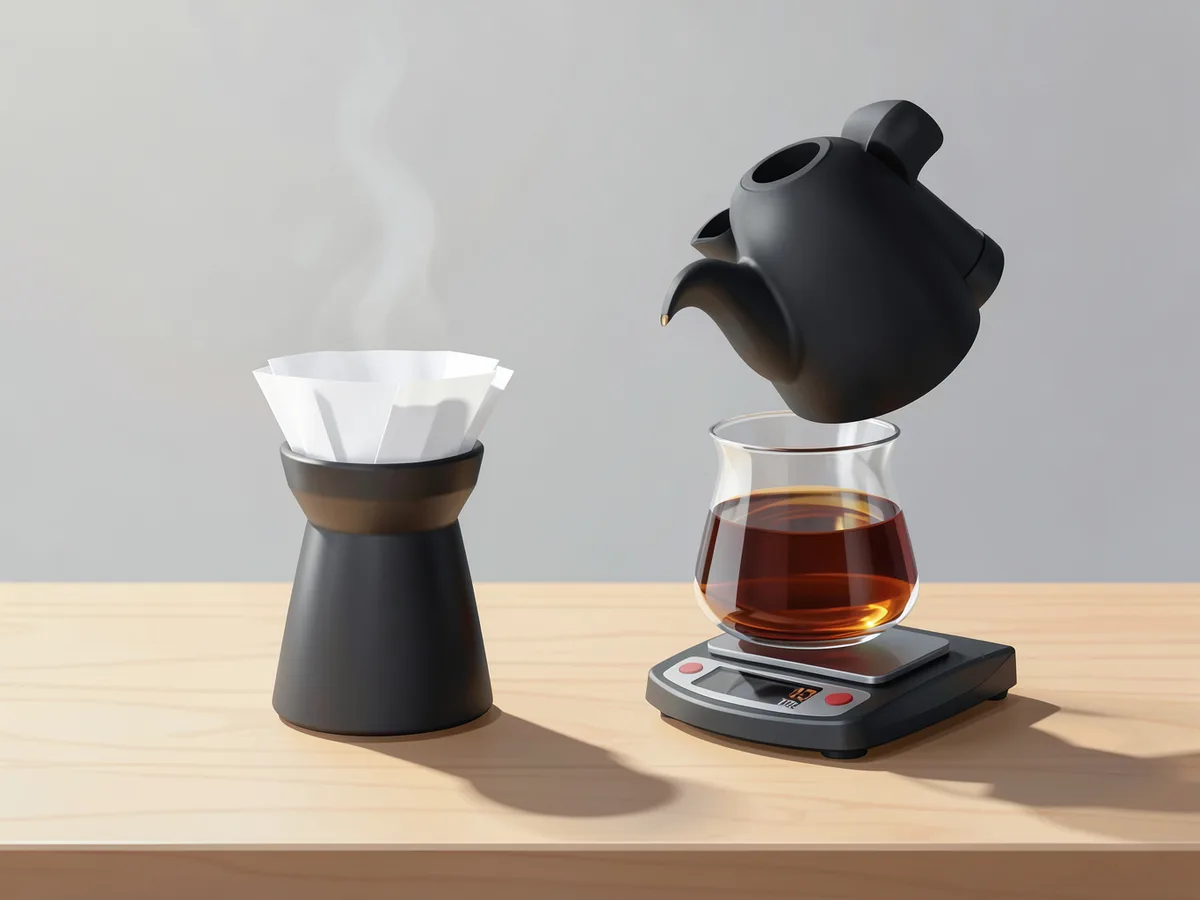
- Technique: pour, wait 10 seconds, stir 5 clockwise circles, rest 30 seconds before sipping to let fines settle.
#Advanced adjustment cheat sheet
| Preference | Adjustment |
|---|---|
| Too acidic | Lower temp 2°C, shorten rest time |
| Too bitter | Increase ratio to 1:17, lower temp 2°C |
| Thin body | Increase dose to 2.5 g, extend rest to 45 s |
#Can Freeze-Dried Coffee Be Cold Brewed?
Absolutely — and it reveals a different personality. Cold extraction suppresses bitterness, amplifies floral-fruit sweetness, and delivers a silkier mouthfeel.
#Standard cold brew protocol
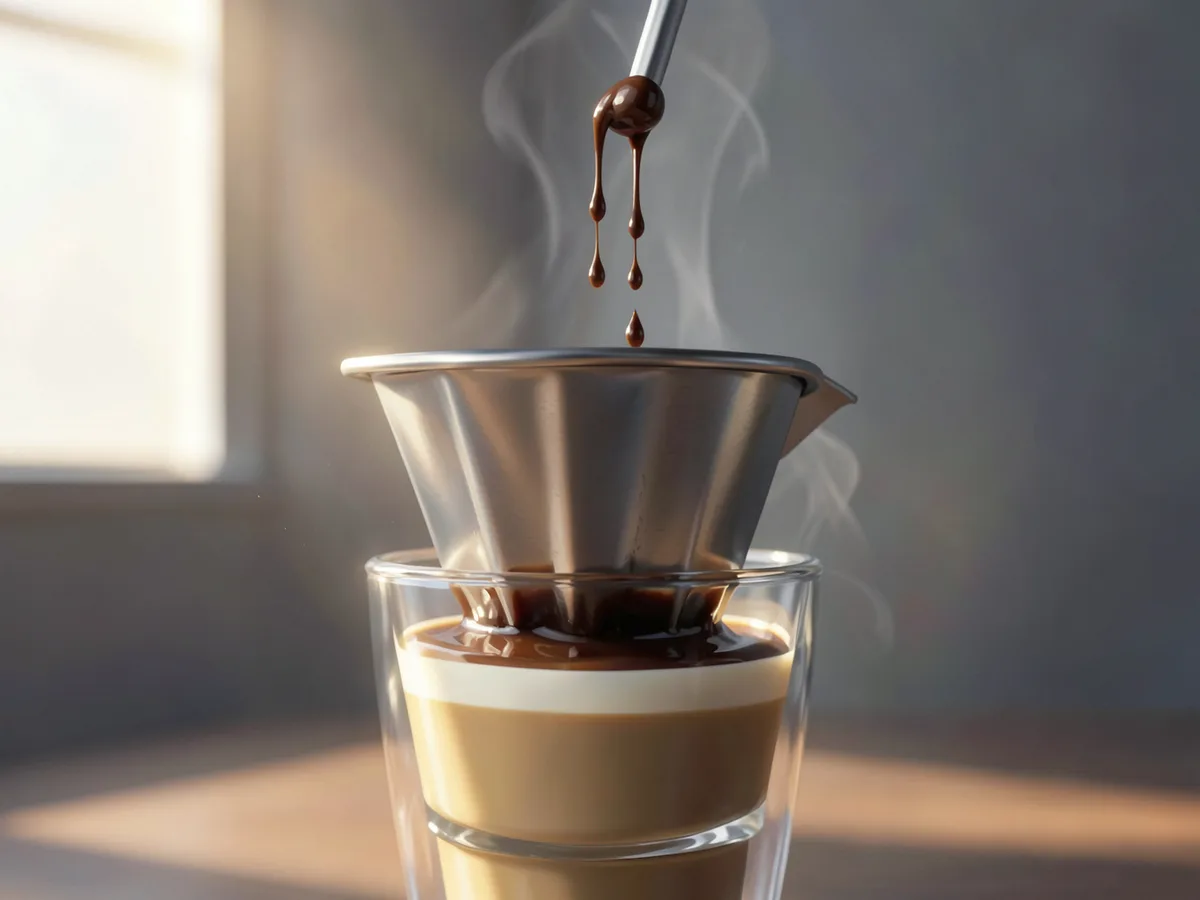
- Place one 2 g sachet in 300 ml chilled water (4°C).
- Cover and refrigerate 12 hours (overnight).
- Swirl gently, strain through a fine tea sieve.
- Serve over ice, or mix 1:1 with oat milk for a cold brew latte.
Tip: Cold brew concentrate keeps 48 hours sealed in the fridge; peak flavor is within the first 24 hours.
#Which Freeze-Dried Coffee Brands Offer High Value?
Mainstream brands can be ranked on three axes: origin transparency × flavor fidelity × cost per cup. For a detailed four-dimension scorecard and buyer's guide, see our Best Freeze Dried Coffee Brands: 2024 Four-Dimension Scorecard & Buyer's Guide.
#Quick decision matrix
| Use case | What to prioritize | Typical cost per cup |
|---|---|---|
| Daily driver, high frequency | Large-brand consistency, 100% Arabica, sachets | $0.40–0.70 |
| Specialty entry, origin exploration | Single-origin label, light roast, cupping 84+ | $0.85–1.70 |
| Office / travel portable | Crush-resistant pack, fast rehydration, heat-stable | $0.55–1.10 |
| Milk-drink base | Medium-dark roast, high body, low acidity | $0.40–0.85 |
Start with a 5–10 sachet sampler, brew side-by-side with identical parameters, then commit to a bulk buy.
#Buying Pitfalls: Five Common Mistakes
- Confusing "freeze-dried" with "cold brew concentrate" — the latter is liquid, short shelf-life, requires cold chain, not a solid powder.
- Trusting "imported" while ignoring roast date — freeze-dried is stable, yet flavor peaks within 3 months post-roast; 6+ months old loses significant aroma.
- Equating price with quality — $0.15 sachets are usually Robusta spray-dried; $1.20+ doesn't guarantee high-scoring beans without origin transparency.
- Overlooking barrier packaging — sachets without aluminum foil barrier lose >40% aroma within a week of opening.
- Pouring boiling water directly — 100°C scorches delicate aromatics; let the kettle rest 30 seconds to 93°C.
#Closing: A Cup of Freeze-Dried Coffee Is Also a Ritual
When you tear open the foil sachet at dawn, hearing that faint hiss, watching hot water bloom the flakes into a fragrant cloud — freeze-dried coffee bridges laboratory precision and daily ritual. It wears its "instant" label not as a compromise but as minimalist stewardship of flavor dignity, like a slim poetry collection carried on a journey: thin, yet opening a whole sky at any moment.
Next step: explore Best Moccona Coffee Flavors: Review & Buying Guide for 3 Scenarios for a commercial freeze-dried baseline, then dive into Best Freeze Dried Coffee Brands: 2024 Four-Dimension Scorecard & Buyer's Guide to pick your first specialty-grade jar. May every cup's bittersweet finish become your curated third space.
#FAQ
#What is the difference between freeze-dried and regular instant coffee?
Freeze drying uses low-temperature vacuum sublimation, retaining 80–90% of aromatics; regular instant typically uses high-temperature spray drying, retaining only 30–40%, resulting in a flatter, more bitter profile.
#How do you choose a good-tasting freeze-dried coffee?
Look for five markers: single-origin Arabica, light-to-medium roast, explicit "freeze-dried" labeling, individual sachets, and a clean ingredient list (coffee only). Buy a small sampler first.
#What water temperature and ratio are best for freeze-dried coffee?
Recommended 90–93°C at a 1:15 ratio (2 g coffee to 300 ml water). Light roasts at 93°C, dark roasts at 88°C. Stir after 10 seconds, rest 30 seconds before drinking.
#Which freeze-dried coffee brands offer high value?
Match to your scenario: daily drinkers — big-brand 100% Arabica sachets ($0.40–0.70/cup); specialty explorers — single-origin light roasts, cupping 84+ ($0.85–1.70/cup); milk bases — medium-dark, high body ($0.40–0.85/cup). See the brand scorecard for details.
#Can freeze-dried coffee be cold brewed?
Yes. Steep 2 g in 300 ml cold water (4°C) for 12 hours, strain, serve over ice or with milk. Flavor is sweeter, silkier, and keeps 48 hours refrigerated.
Comments