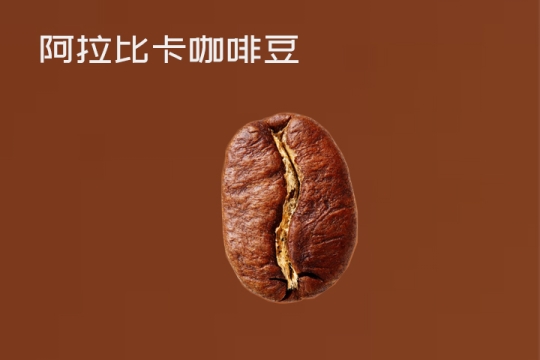
Arabica
Coffee fact: Arabica has about half the caffeine of Robusta.
Arabica contains roughly 0.8–1.4% caffeine by weight, while Robusta contains 1.7–4%. Caffeine is bitter, so that difference alone makes Robusta taste harsher and Arabica taste smoother.
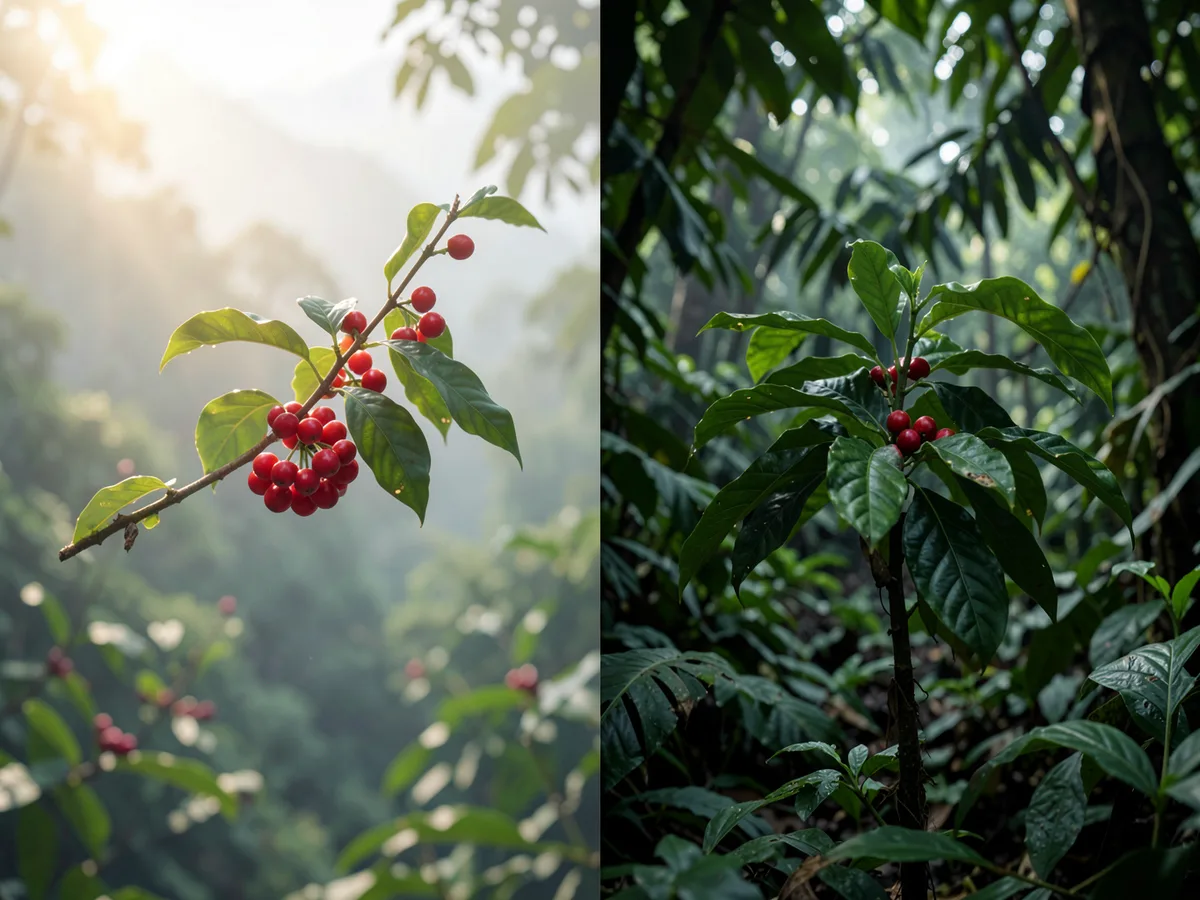
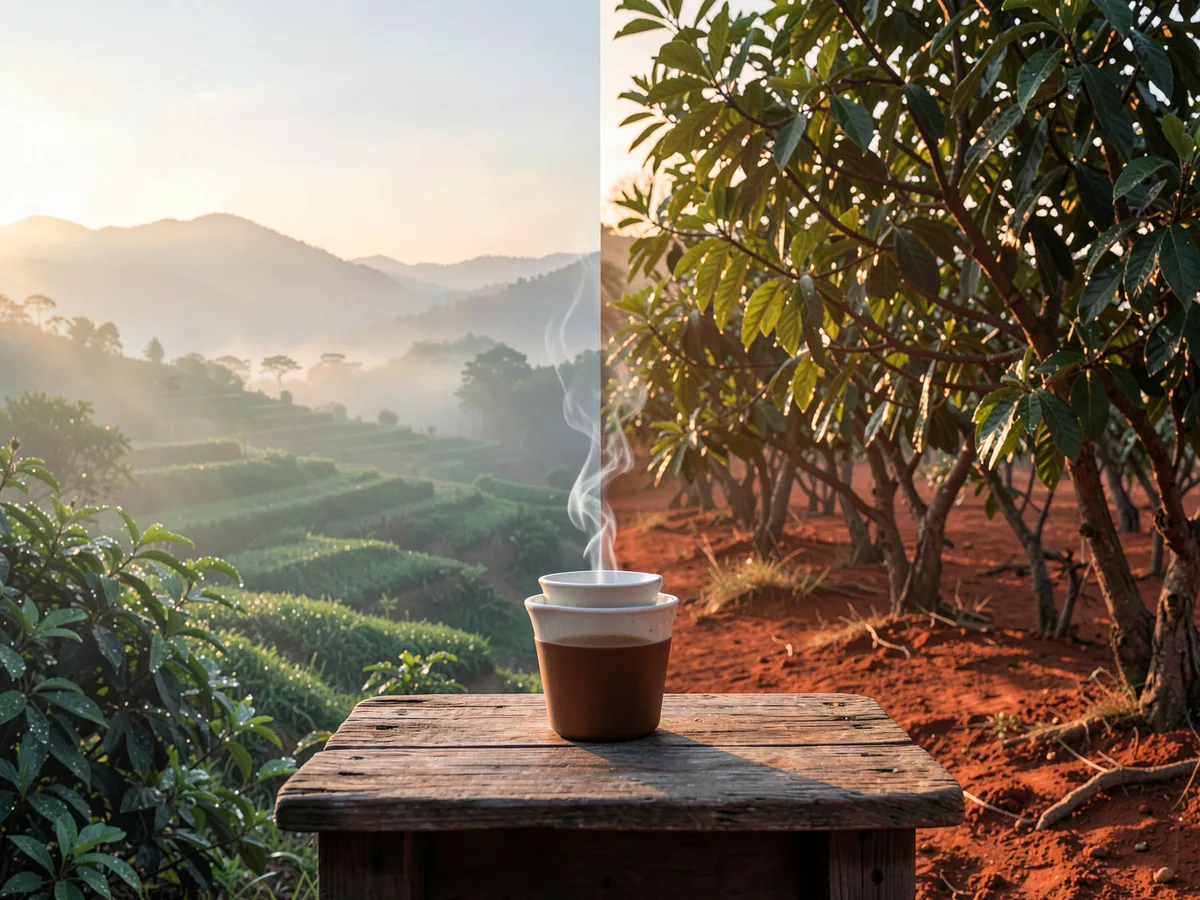
It is not just caffeine. Caffeine is also a natural pesticide for the plant, which helps explain why Robusta — grown at low altitudes, from sea level to about 800 m — is hardier and more disease-resistant, while Arabica needs cooler highlands, typically 900–2,200 m.
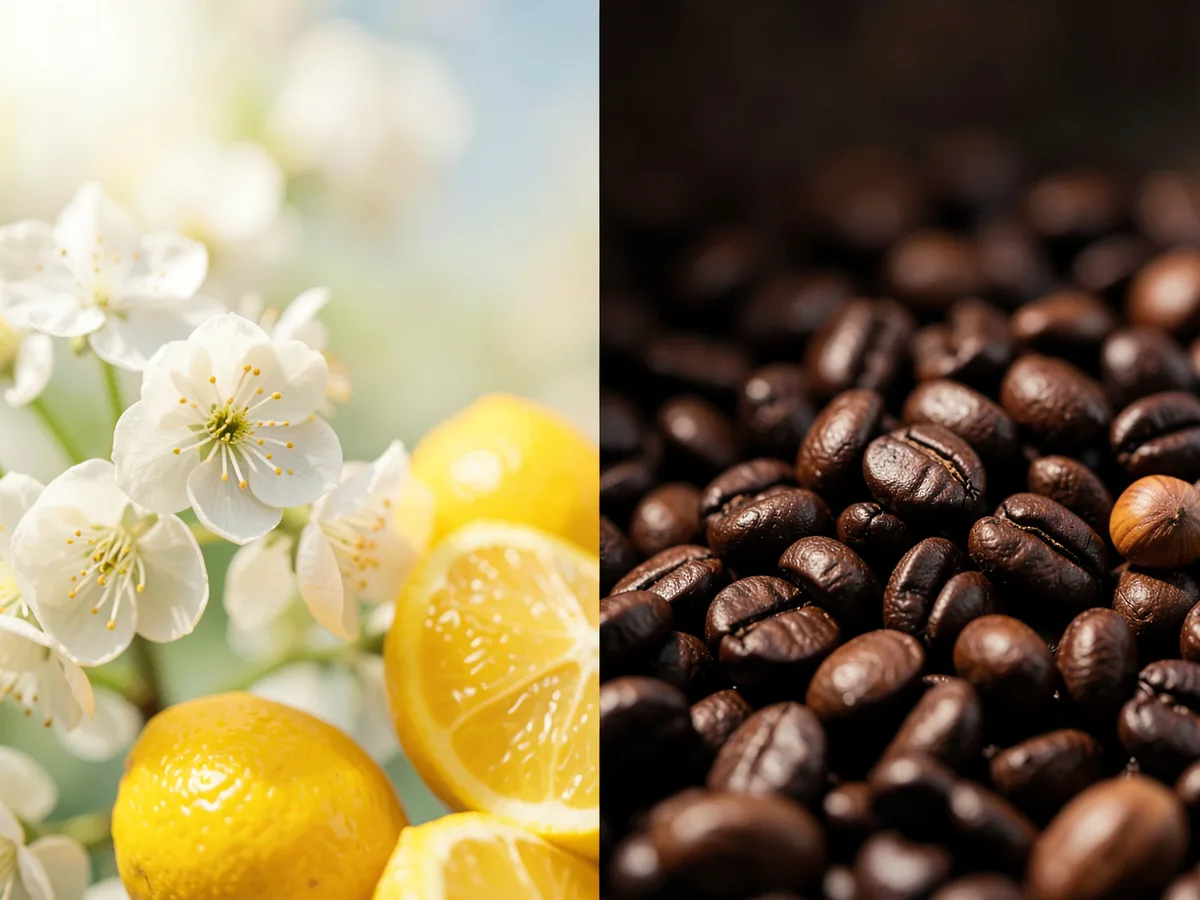
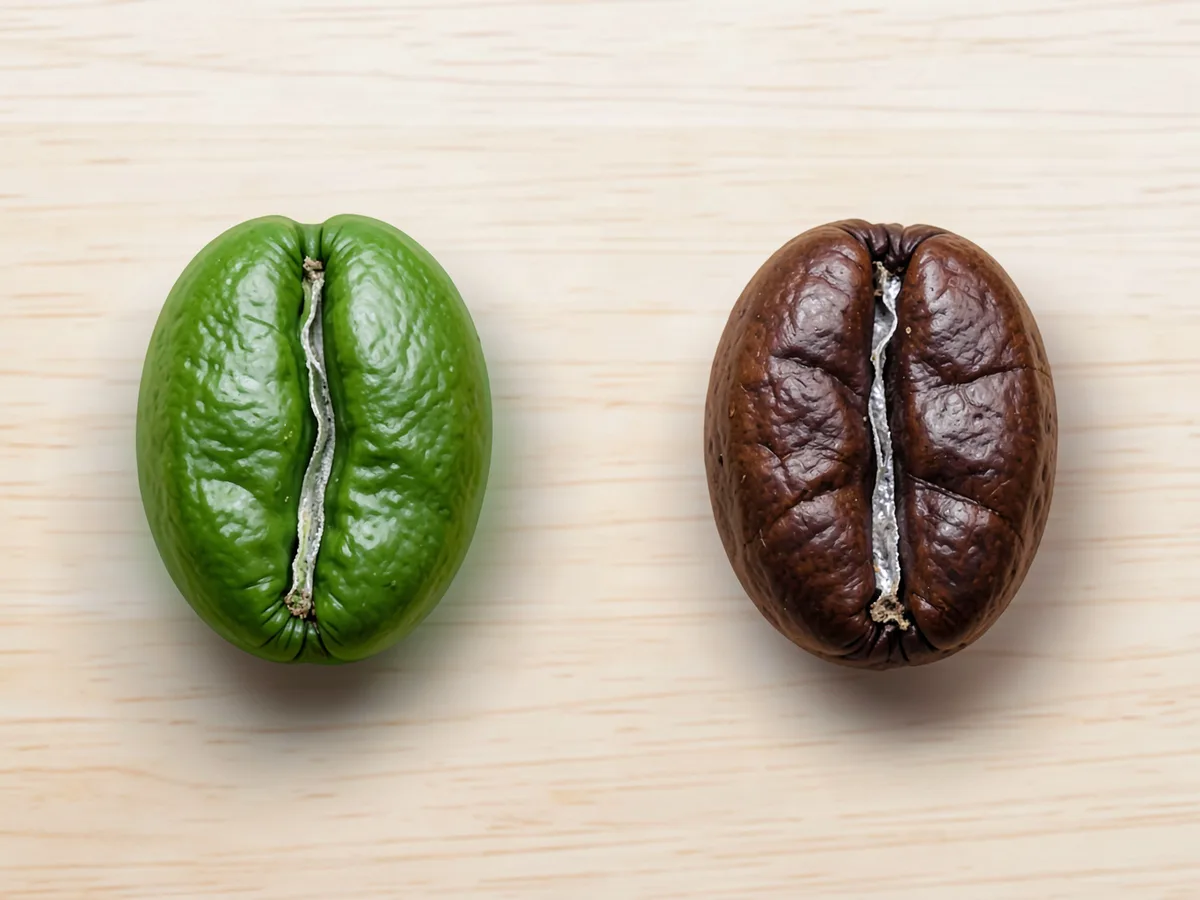
Arabica also carries more of what makes coffee sweet and aromatic: 6–9% sugar in the green bean, against 3–7% for Robusta, and 15–17% lipids, against 10–11.5%. Those sugars caramelise during roasting, and the oils give a smoother mouthfeel, producing the floral, fruity, and bright flavours Arabica is known for.
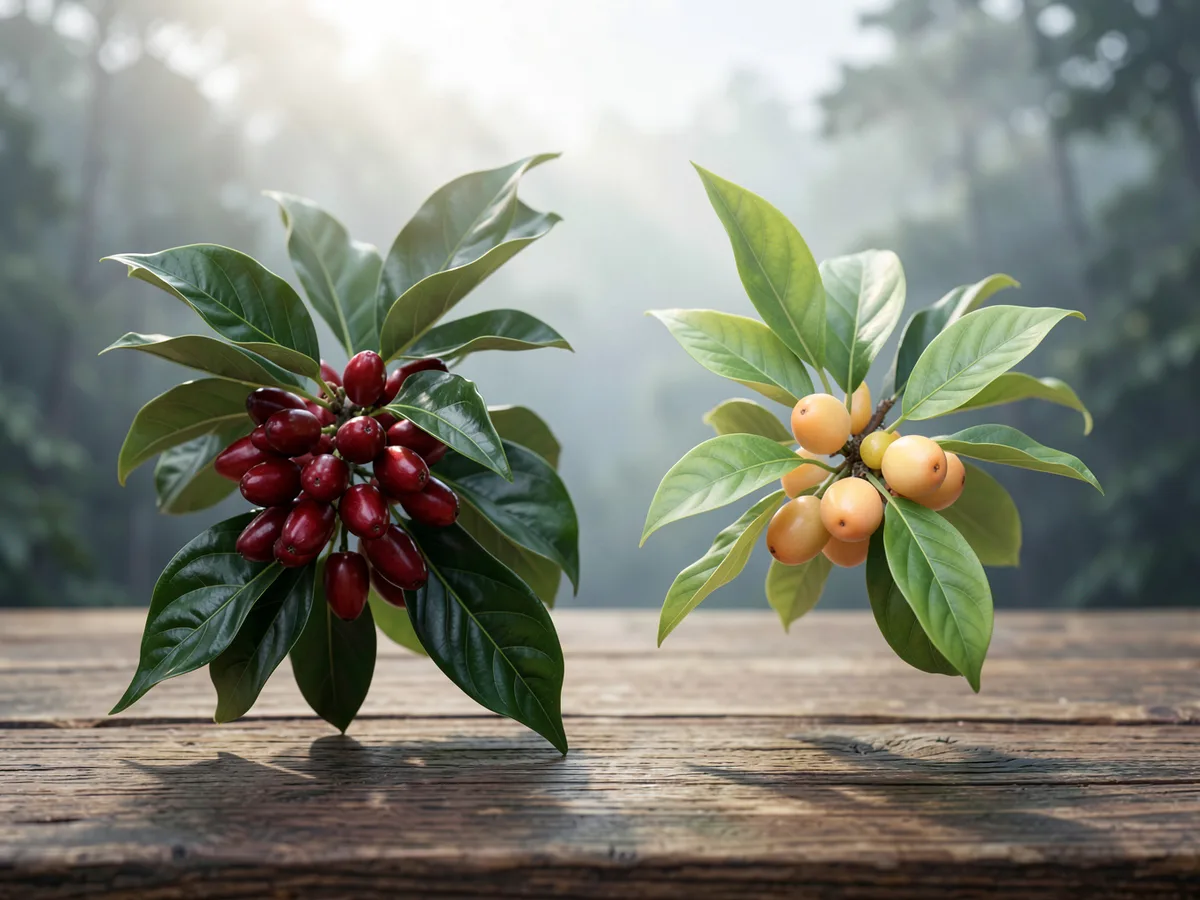
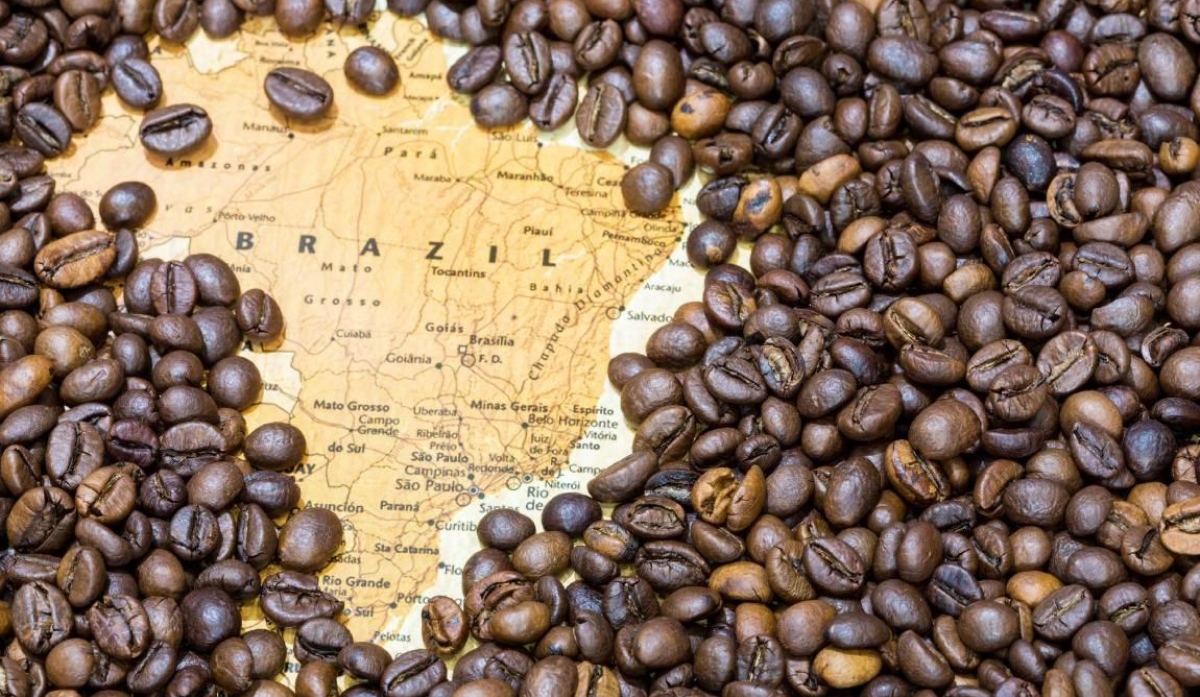
That is why Arabica accounts for about 60–70% of world coffee production and dominates specialty coffee, while Robusta — stronger, earthier, and cheaper to grow — is mainly used for espresso blends, instant coffee, and traditional Vietnamese coffee, where its heavy body and thick crema are an advantage.